Botulism and Home Canning: What You Must Know
Learn how botulism risk in home canning works, which foods require a pressure canner, and the simple rules that keep every jar on your shelf safe.
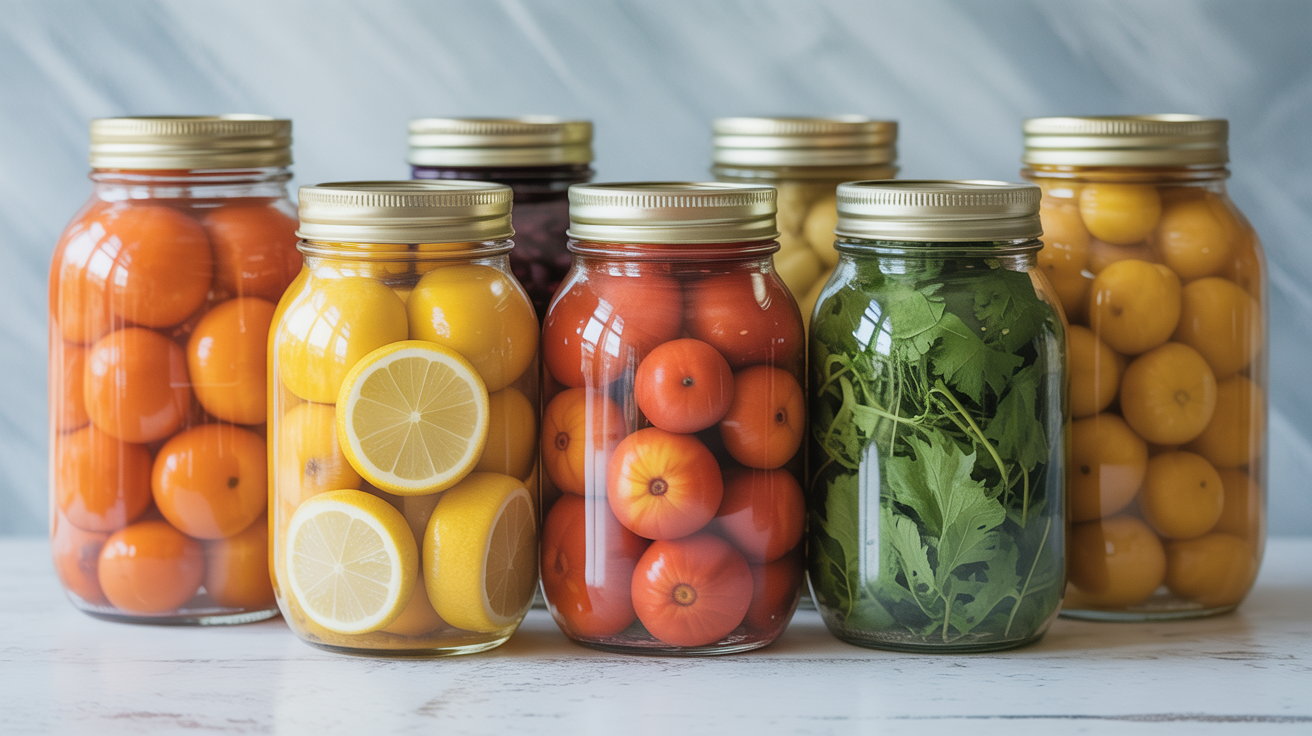
Home canning is one of the most rewarding skills you can build in a kitchen. It is also one of the places where understanding a single food-safety principle makes all the difference between a pantry full of safe food and a genuine health risk. That principle is botulism prevention. Getting it right is not complicated once you know why the rules exist, and the rules themselves are well-tested, widely available, and worth following to the letter.
What Botulism Is and Why Canning Matters
Botulism is a serious illness caused by a toxin produced by the bacterium Clostridium botulinum. The bacterium itself is common in soil and water, and its spores are found on raw vegetables, meats, and many other foods. Under normal circumstances those spores are harmless. They need a very specific environment to become dangerous.
That environment is exactly what a sealed jar creates.
When a low-acid food is packed into a jar, sealed, and processed in boiling water (which tops out at 212°F/100°C at sea level), the spores can survive the heat. Inside a sealed, oxygen-free jar with low acidity, surviving spores can germinate, the bacteria can grow, and they can produce a potent toxin. The jar may look and smell perfectly fine while this happens. That is the core danger: you cannot see, smell, or taste botulinum toxin in food. This is not a reason to stop canning. It is the reason tested methods were developed.
Why Boiling Water Is Not Enough for Low-Acid Foods
Boiling water processing reaches 212°F (100°C) at sea level, and that temperature does not destroy C. botulinum spores. A pressure canner raises internal temperature to roughly 240°F (116°C), which is high enough to kill the spores themselves, not just the bacteria. This distinction is the whole reason the two methods exist.
The Two-Method Rule: Acidity Decides Everything
The single most important fact in home canning is this: the pH of your food determines which processing method you must use.
High-acid foods (pH 4.6 or below) create an environment where C. botulinum cannot grow and produce toxin. Water-bath canning is safe for them because the goal is simply to destroy molds, yeasts, and other spoilage organisms.
Low-acid foods (pH above 4.6) cannot block the bacterium on their own. Pressure canning is required for them. Not optional, not a preference. Only pressure canning reaches the temperature needed to destroy spores.
High-Acid Foods: Safe for Water-Bath Canning
- Most fruits (apples, peaches, berries, cherries)
- Jams, jellies, and fruit preserves
- Pickles made with enough added vinegar (tested recipe required)
- Tomatoes with added acid (lemon juice or citric acid per tested recipe; tomatoes alone border on pH 4.6 and must be acidified)
Low-Acid Foods: Pressure Canning Required
- All vegetables: green beans, corn, beets, carrots, potatoes
- All meats, poultry, and fish
- Dried beans and legumes
- Soups and stews
- Mixed recipes containing low-acid ingredients
If you take one thing away from this article, let it be this: never water-bath can a low-acid food. Not even once, not even if someone insists their grandmother did it safely. The risk is real and the outcome can be severe.
Prevention: Following Tested Recipes Is the Key Step
Is botulism common in canning? Reported cases of foodborne botulism in the United States each year are relatively rare, and home canning is responsible for many of them. The good news is that virtually every case is preventable by using tested recipes and correct equipment. The illness stays uncommon because the rules work when followed.
"Tested recipe" means a recipe that has been laboratory-validated for the specific combination of food, jar size, processing method, time, and pressure. The institutions that test and publish these recipes include:
- The USDA Complete Guide to Home Canning
- The National Center for Home Food Preservation (NCHFP) at nchfp.uga.edu
- The Ball Blue Book of Canning and Preserving
These resources are free or inexpensive and regularly updated. Do not rely on recipes from social media, family notebooks, or general cooking websites unless those recipes have been cross-referenced against current tested guidelines. Processing times and pressures have changed over the years as testing became more rigorous. An old recipe may be genuinely unsafe by current standards.
Altitude Adjustment Is Not Optional
Boiling point drops as altitude increases. At 5,000 feet above sea level, water boils at around 202°F, which is well below what is needed even for water-bath processing of high-acid foods. Pressure canners must be adjusted to reach higher pressure to compensate.
Every tested recipe includes altitude adjustment tables. If you live above 1,000 feet, look them up and use them. Your local county extension office can tell you the correct altitude for your area if you are unsure.
Headspace, Seals, and Equipment
Correct headspace affects how the vacuum seal forms. Too little headspace and food can boil up into the sealing compound during processing, preventing a proper seal. Too much and the jar may not seal at all, or the extra air can affect safety.
Use new lids every time. Inspect your pressure canner's gasket before each season. A cracked or flattened gasket means your canner cannot maintain correct pressure. Have a dial-gauge canner tested for accuracy at least once a year; weighted-gauge canners are inherently accurate but check for dents or damage around the gauge port.
Warning Signs of an Unsafe Jar
Even when you follow every rule, inspecting your jars before opening and before eating is a habit worth building. These are the warning signs that a jar should not be opened or consumed:
- A lid that bulges upward rather than curving slightly inward
- A lid that spurts liquid or releases gas when the seal is broken
- A leaking seal or lid that was never concave (never sealed at all)
- Cloudy liquid in a product that should be clear
- An off, unpleasant, or unusual smell when opened
- Any visible mold
Knowing how to check a seal properly is worth reviewing before you open anything from last season. If a jar shows any of those signs, or something simply feels wrong when you open it, the rule is firm: do not taste it. Not even a tiny amount. The toxin is active before any taste or odor is detectable.
See also signs of spoiled canned food for a fuller picture of what to look for across different food types.
How to Safely Dispose of a Suspect Jar
If you have a jar you are not confident about, especially a home-canned low-acid food that was water-bath processed or one that shows any warning sign, dispose of it without exposing yourself, others, or pets to the contents.
Do not open a suspect jar indoors and do not sniff it directly. The current USDA guidance for disposing of home-canned food that may be contaminated with C. botulinum toxin recommends placing the jar (sealed if possible) into a heavy garbage bag, sealing the bag, and placing it in a trash receptacle inaccessible to people and animals. If the jar is already open and contents have been exposed, the guidance involves careful decontamination of surfaces. Check the current USDA or NCHFP website for the specific steps, as procedures can be updated.
If you believe someone has consumed food that may be contaminated, contact a medical professional or poison control immediately. This article is educational, not medical advice.
A Note on Boiling Before Eating
You may have heard the advice to boil home-canned low-acid foods for 10 minutes before eating as an extra precaution. Boiling does inactivate botulinum toxin if it is present. But this is a backup measure, not a substitute for correct processing. A jar that was improperly processed could contain enough toxin that serving it carries unacceptable risk — and you cannot tell by looking. Prevention through correct processing is what makes home canning safe, not a post-processing boil.
The correct approach is: follow a tested recipe, use the right method for your food's acidity, process at the right time and pressure for your altitude, and inspect every jar before use. Do those things, and the risk of botulism from home-canned food drops to effectively zero.
FAQ
Is botulism from home canning common?
It is not common in absolute terms, but home-canned low-acid vegetables are consistently among the top sources of foodborne botulism cases reported in the United States each year. The reason is not that canning is inherently dangerous, but that water-bath processing of low-acid foods is still practiced despite clear guidance against it. Canners who follow tested methods and use a pressure canner for low-acid foods rarely encounter a problem.
Can I get botulism from jam or pickles?
High-acid foods like jam, jelly, and properly acidified pickles made with tested recipes do not support the growth of C. botulinum. Water-bath canning is safe for them. The risk is with low-acid foods. Pickles made without enough vinegar, or tomatoes processed without added acid, can cross into the danger zone, which is why following a tested recipe matters even for high-acid products.
How do I know if my pressure canner is working correctly?
Dial-gauge pressure canners should be tested for accuracy once per season. Many county extension offices offer free testing. Weighted-gauge canners do not require testing, but inspect the gasket and vent port before each use. If the gauge is off by more than 2 psi, adjust your processing pressure accordingly or have the gauge replaced before your next canning session.
What if I accidentally water-bath canned green beans?
Do not eat them. The processing method determines whether spores were destroyed, and boiling-water processing cannot reach the temperature needed for green beans or other low-acid vegetables. Dispose of the jars using the safe disposal method described above. Next time, use a pressure canner with a current tested recipe for the specific vegetable you are preserving.
Where can I find tested canning recipes?
The most reliable sources are the USDA Complete Guide to Home Canning (available free online), the National Center for Home Food Preservation at nchfp.uga.edu, and the Ball Blue Book of Canning and Preserving. These are the only sources whose processing times are based on laboratory testing. For altitude-specific questions, your local cooperative extension office is an excellent free resource.