Latest guides
53 guides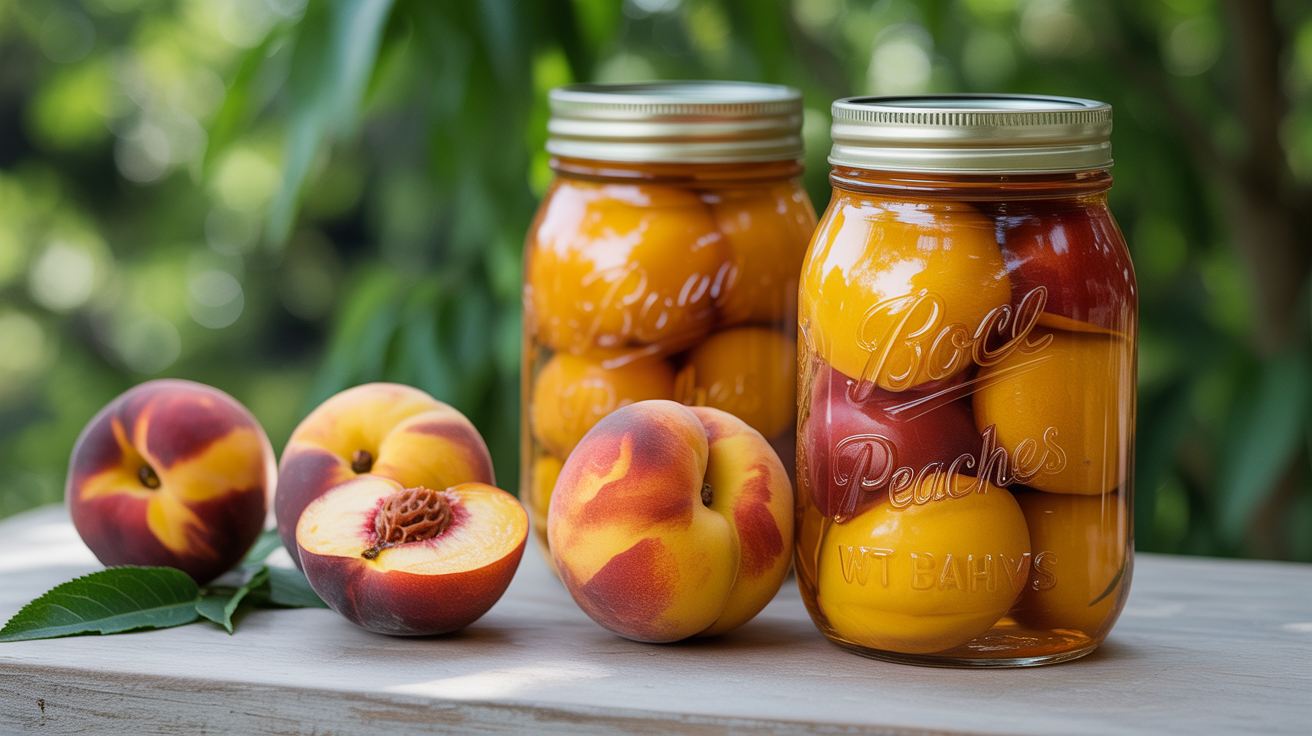
How to Can Peaches at Home Without Them Turning Brown or Mushy
Learn how to can peaches without browning or mushiness: the right fruit, an acid dip, hot-pack vs raw-pack, and safe processing times.
September 18, 2026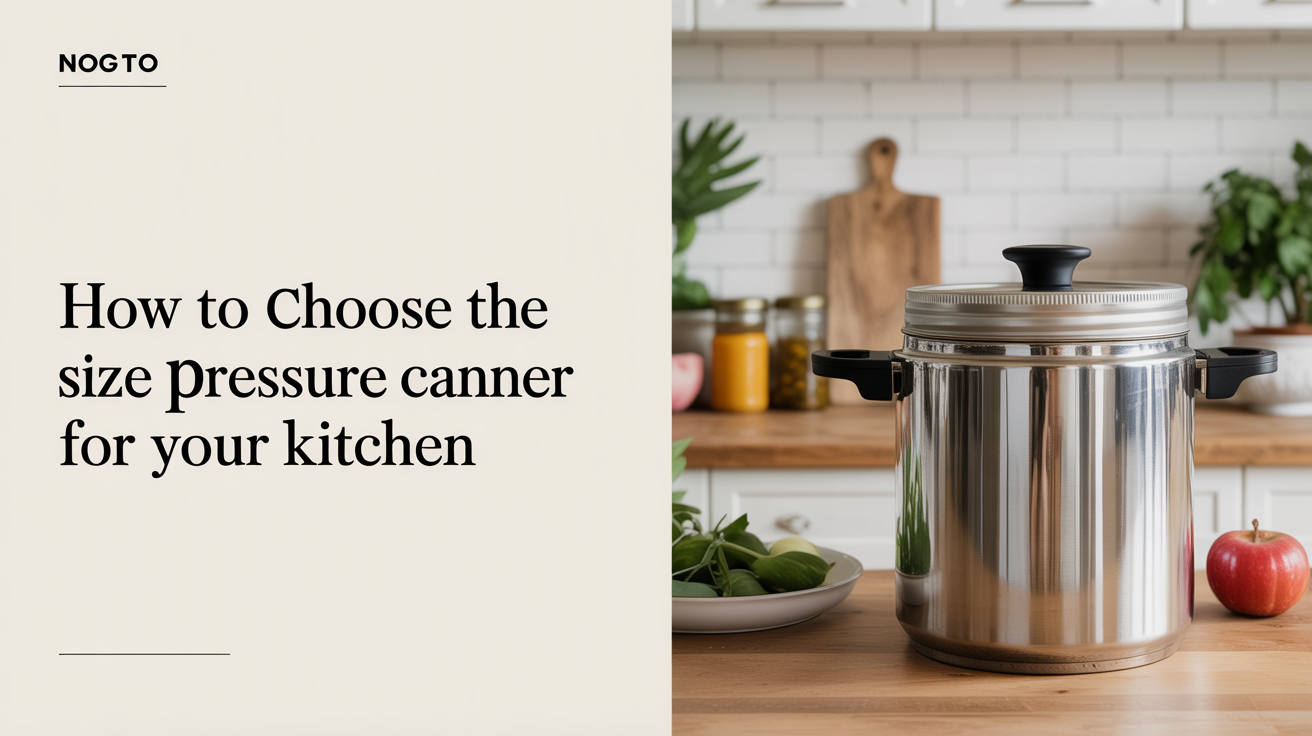
How to Choose the Right Size Pressure Canner for Your Kitchen
How to choose a pressure canner that actually fits your stovetop, your jar counts, and how much weight you want to lift full of hot jars.
September 16, 2026
What It Really Costs to Start Home Canning as a Complete Beginner
A clear-eyed look at the cost of home canning: what a basic water-bath setup needs, when a pressure canner earns its keep, and where secondhand gear saves th...
September 14, 2026
Botulism and Home Canning: What You Must Know
Learn how botulism risk in home canning works, which foods require a pressure canner, and the simple rules that keep every jar on your shelf safe.
July 4, 2026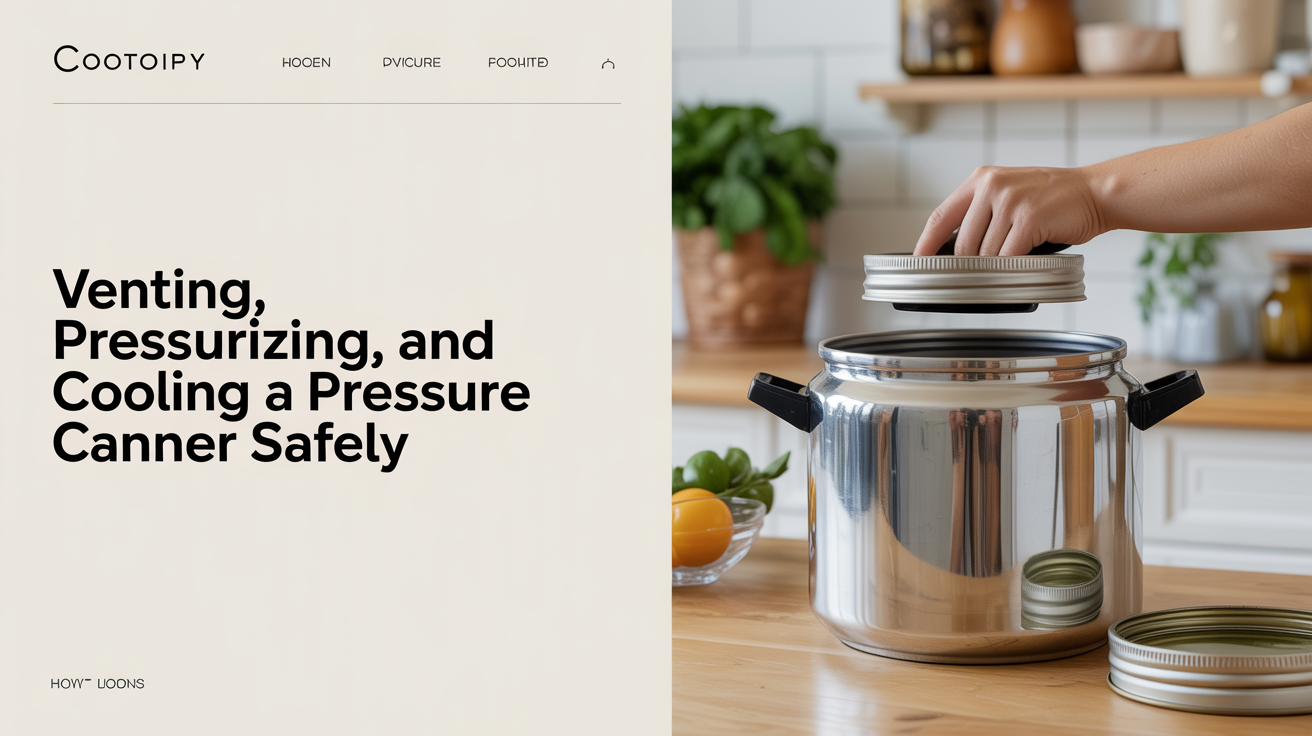
Venting, Pressurizing, and Cooling a Pressure Canner Safely
Learn how to vent a pressure canner, build and hold pressure correctly, and cool it safely with this step-by-step guide for beginners.
July 4, 2026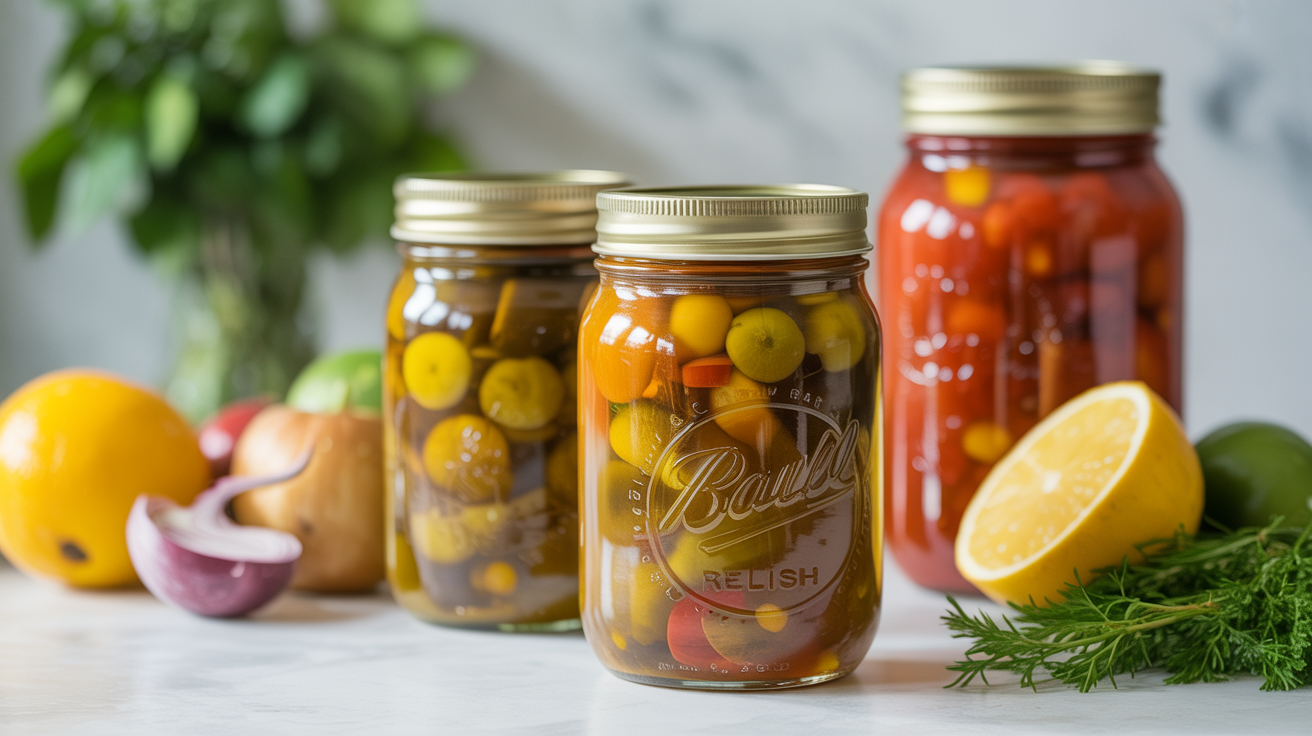
How to Make and Can Relish and Chutney
Learn how to safely water-bath can relish and chutney using tested recipes, the right vinegar ratio, and proper processing times.
July 3, 2026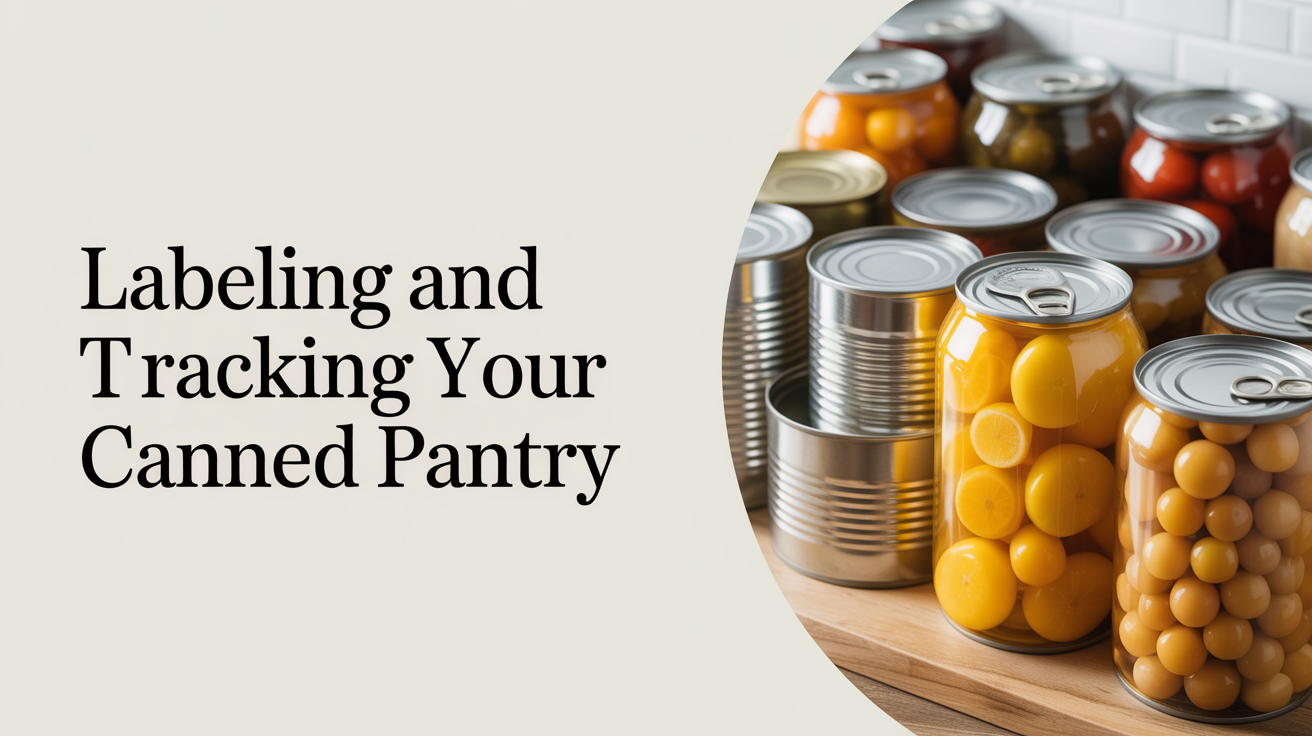
Labeling and Tracking Your Canned Pantry
Learn how to label home canned jars correctly, organize your canning pantry, and use a simple inventory log to rotate stock safely.
July 3, 2026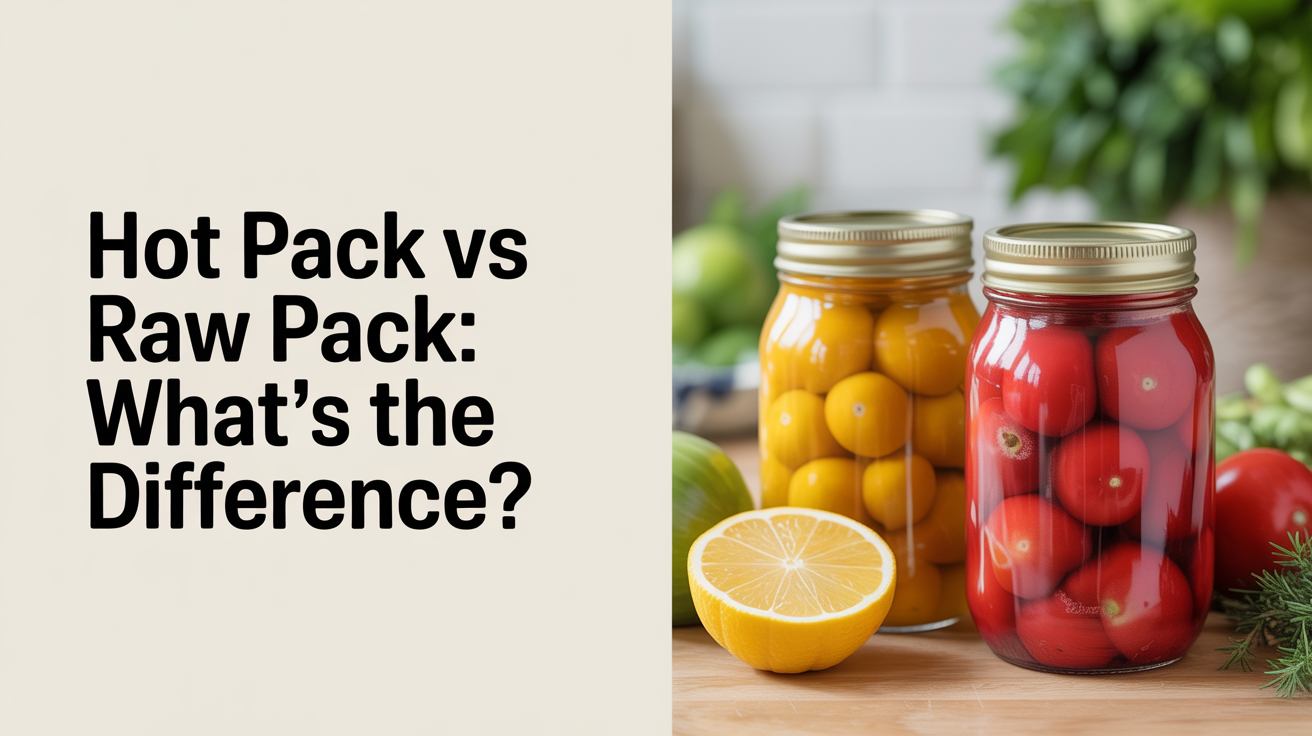
Hot Pack vs Raw Pack: What's the Difference?
Learn the difference between hot pack and raw pack canning, when each is used, and why following your tested recipe's method matters for safe results.
July 2, 2026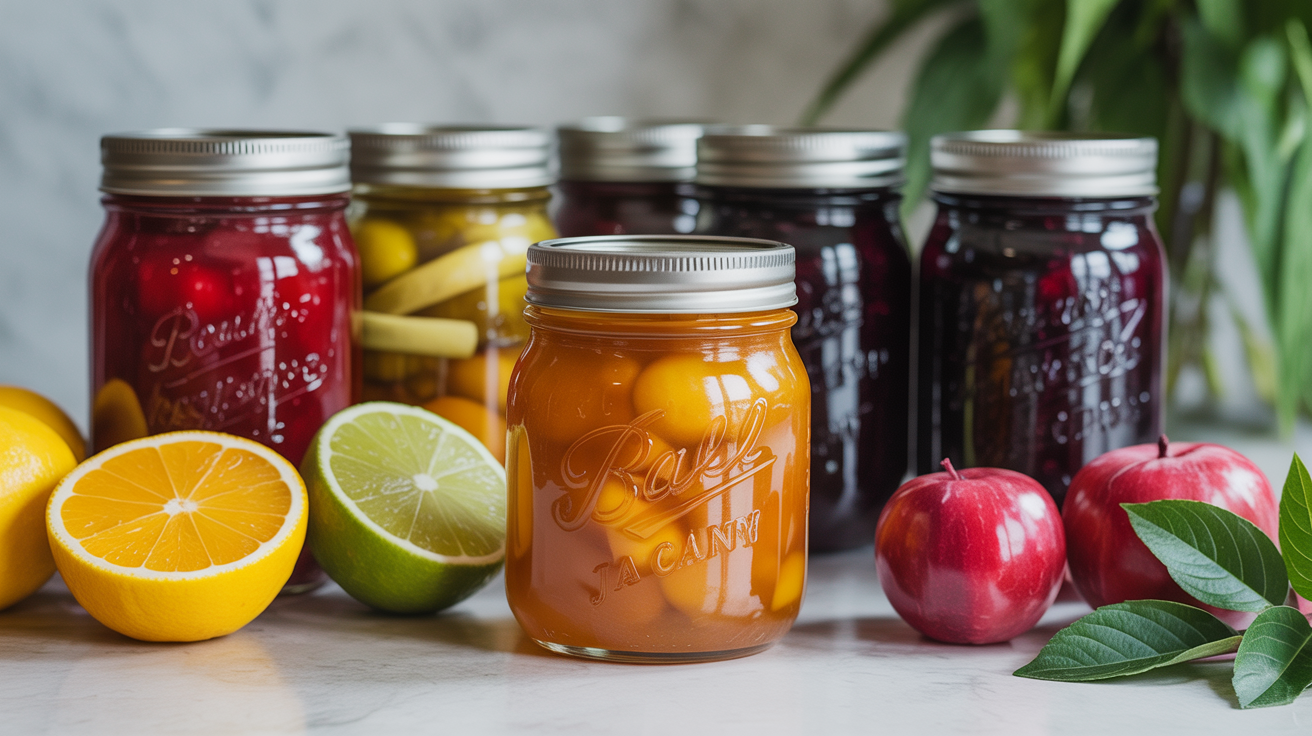
How to Make and Can Jam (A Beginner's Guide)
Learn how to make jam for canning step by step. Beginner-friendly guidance on pectin, gel point, headspace, and safe water-bath processing for your first batch.
July 2, 2026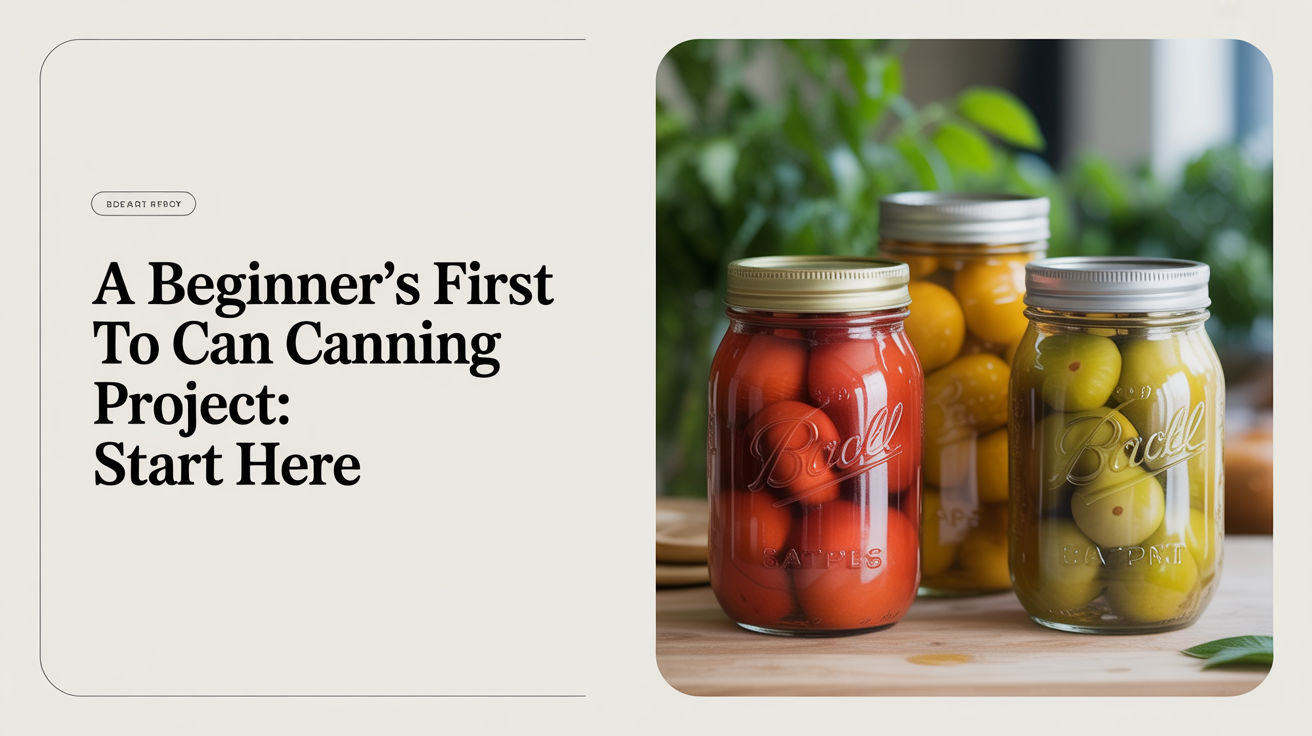
A Beginner's First Canning Project: Start Here
Not sure what to can first? Start with high-acid water-bath projects like jam, pickles, or applesauce, forgiving, safe, and satisfying for beginners.
July 1, 2026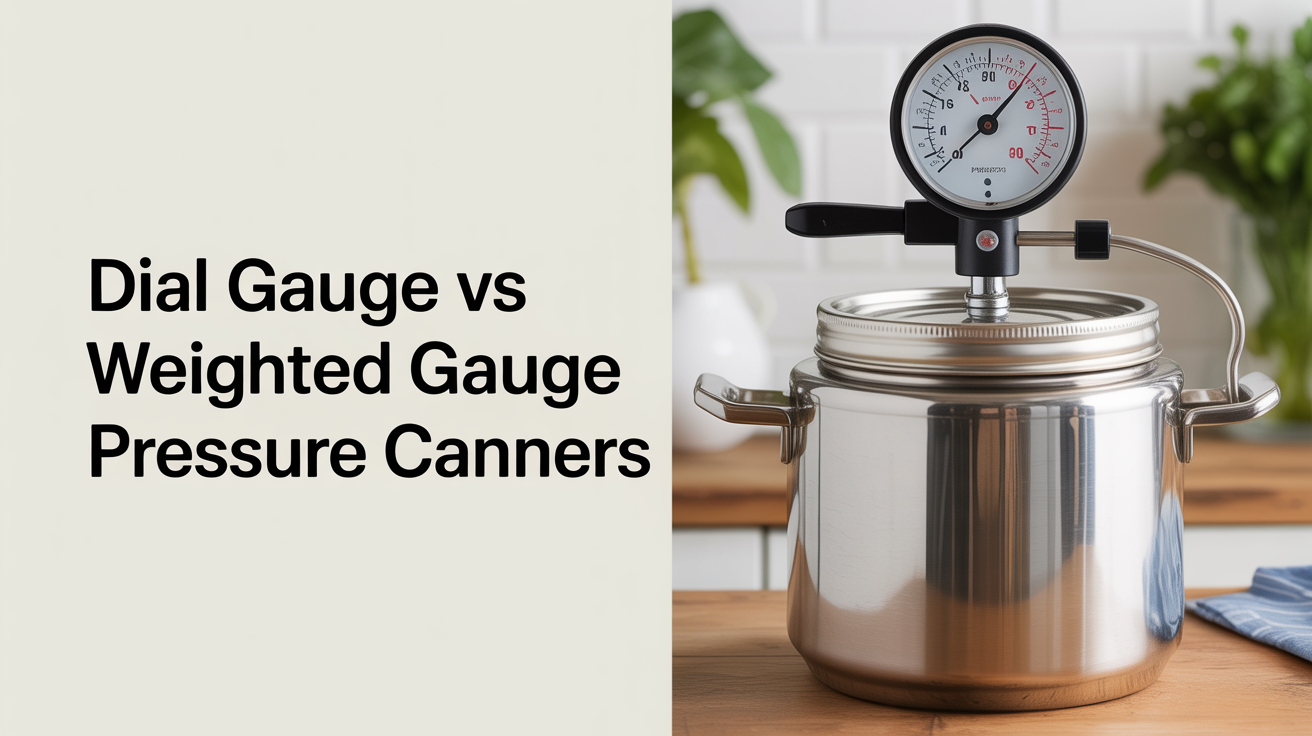
Dial Gauge vs Weighted Gauge Pressure Canners
Learn how dial gauge and weighted gauge pressure canners differ, when each type suits your needs, and how altitude affects which gauge to choose.
July 1, 2026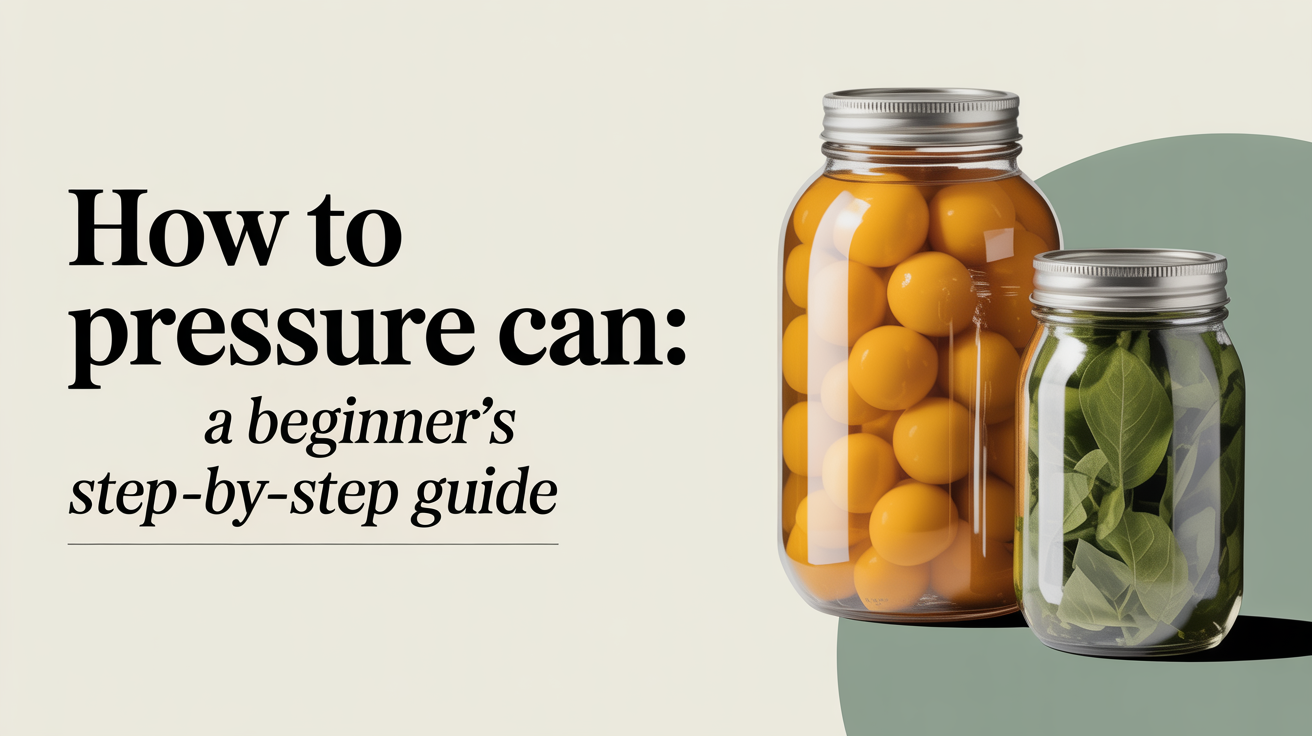
How to Pressure Can: A Beginner's Step-by-Step Guide
Learn how to pressure can safely with this beginner step-by-step guide. Covers venting, pressurizing, depressurization, and why tested recipes matter.
June 30, 2026
Why You Should Only Use Tested Canning Recipes
Tested canning recipes are lab-validated for safe acidity and heat penetration. Here's what that means and where to find reliable sources.
June 30, 2026
Reading Pressure and Processing Times the Right Way
Learn how to read pressure canning PSI and processing times from tested recipes, and why both vary by jar size, canner type, food, and altitude.
June 29, 2026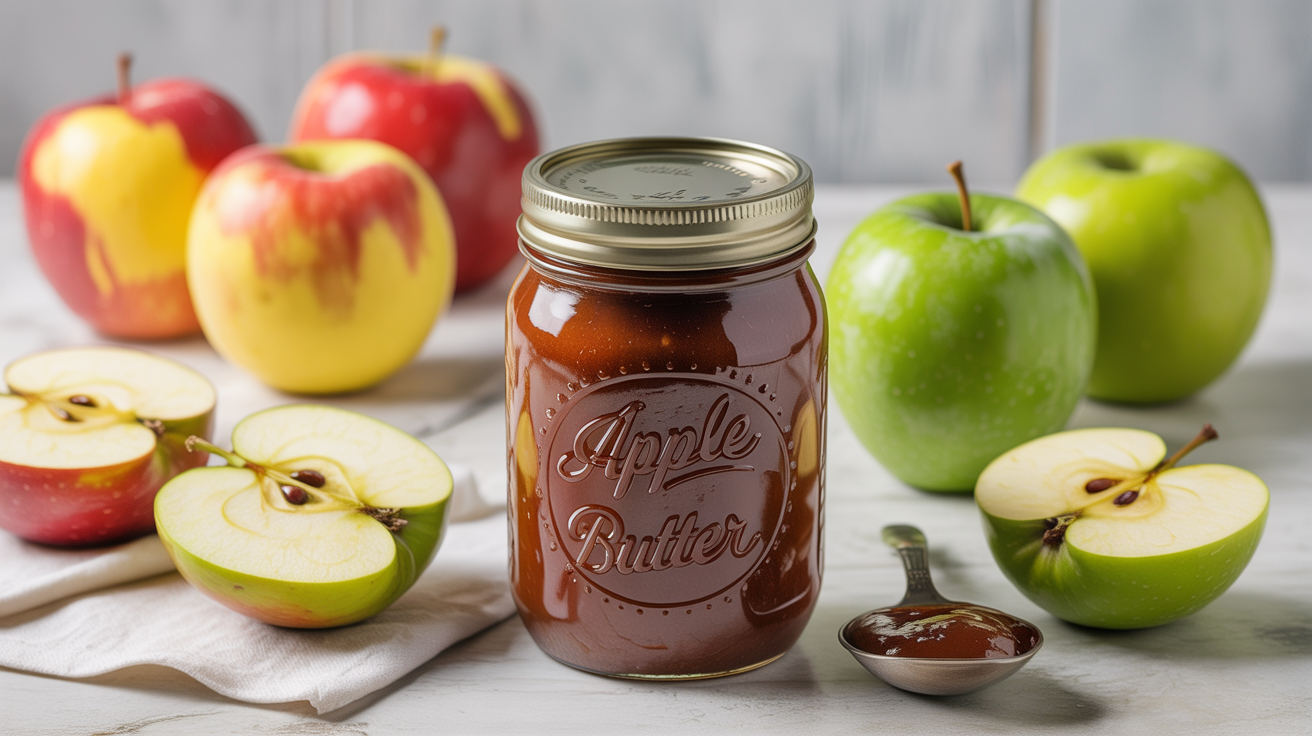
How to Can Apple Butter and Fruit Spreads
Learn how to safely can apple butter and fruit spreads at home using water-bath canning, tested recipes, and proper headspace.
June 28, 2026
How to Prepare and Sterilize Canning Jars
Learn when and how to sterilize canning jars, how to wash and keep them hot, and what to inspect before you fill them.
June 28, 2026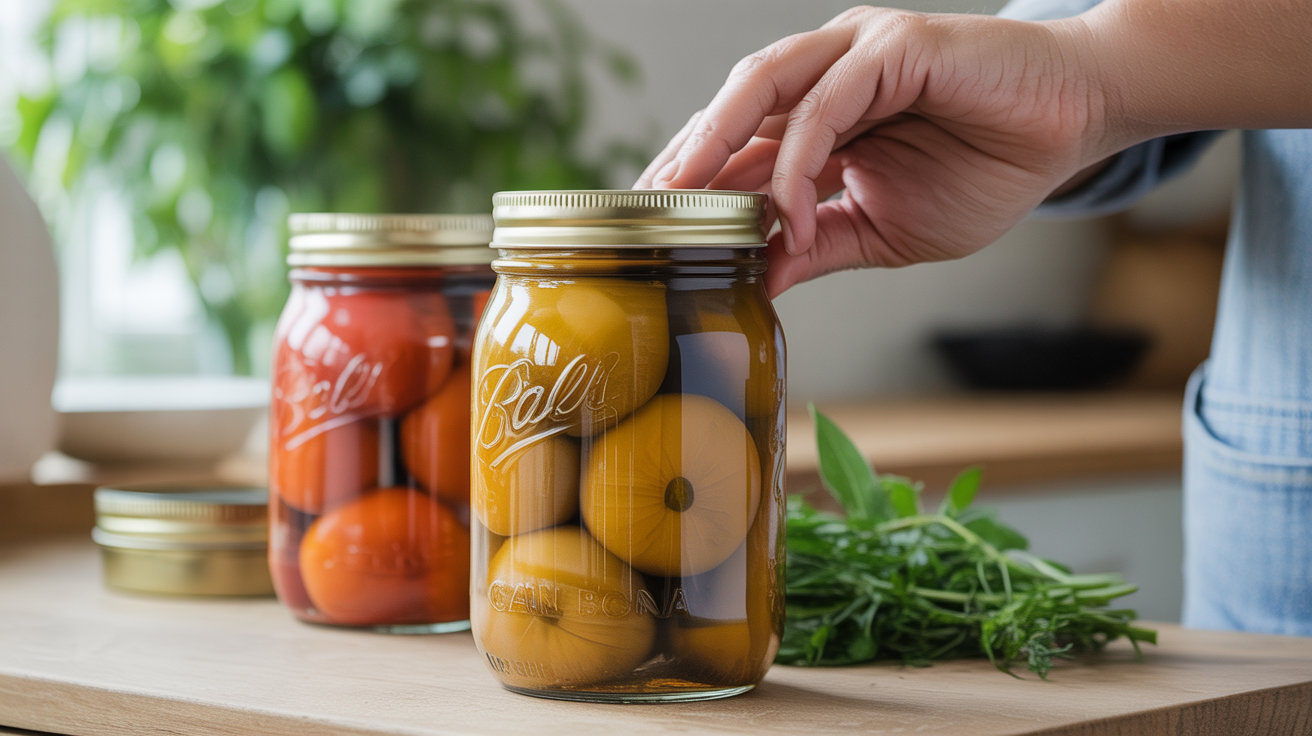
Checking Seals After Water-Bath Canning
Learn how to check canning seals after water-bath canning, what a good seal looks and sounds like, and what to do if a lid fails.
June 27, 2026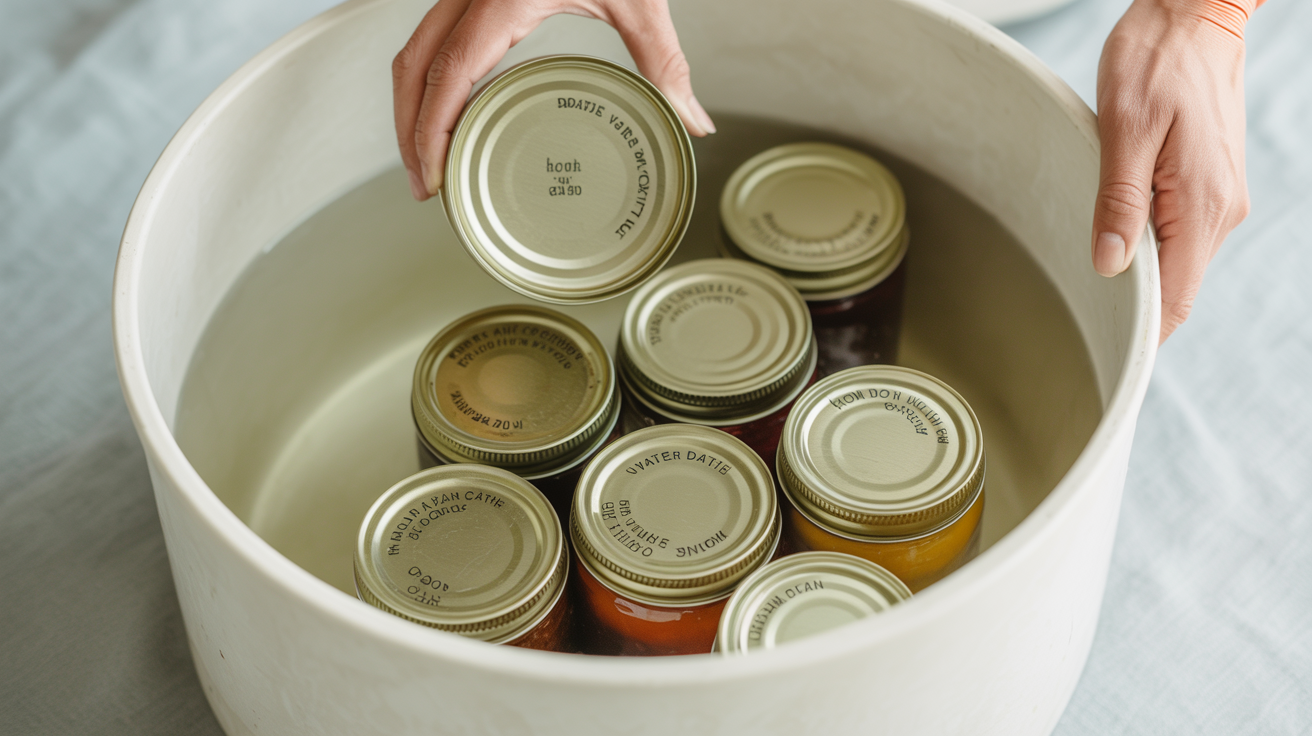
How to Water-Bath Can: A Step-by-Step Guide for Beginners
Learn how to water-bath can safely with this beginner-friendly guide covering equipment, the full canning process, altitude adjustment, and seal checks.
June 27, 2026
Canning Terms Every Beginner Should Know
A plain-language glossary of canning terms for beginners: headspace, siphoning, water-bath vs pressure, hot pack, seal, altitude adjustment, and more.
June 26, 2026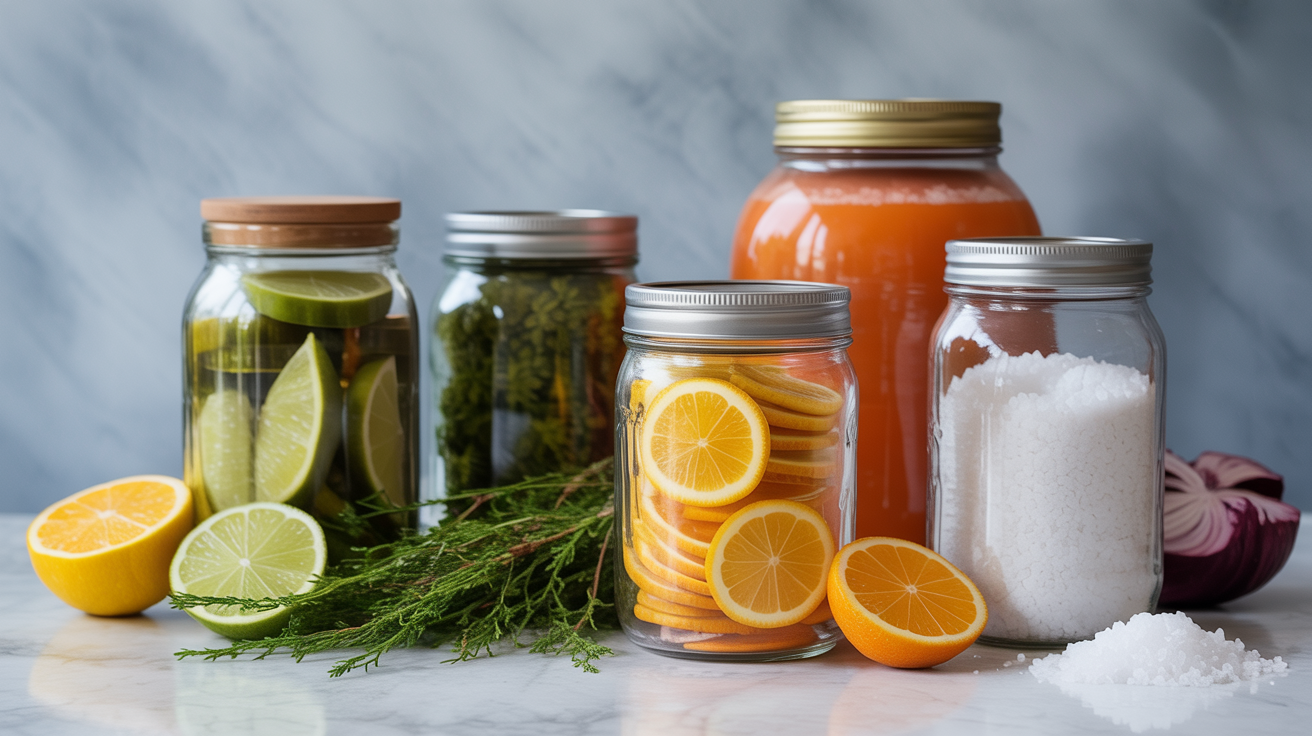
Pickling Salt vs Table Salt vs Kosher Salt: What to Use for Canning
Learn which salt is safe for canning and pickling, why iodized table salt causes cloudy brine, and how to substitute kosher salt with volume conversion.
June 26, 2026
Canning Equipment for Beginners: What You Actually Need
A practical canning supplies list for beginners: the essential tools, what you can improvise, and when a pressure canner is non-negotiable.
June 25, 2026
How to Store Canned Goods Properly
Learn how to store home canned jars safely: remove screw bands, choose cool dark dry storage, label for rotation, and inspect seals before use.
June 25, 2026
How to Can Salsa Using a Tested Recipe
Learn how to can salsa safely using a tested recipe. Understand why the acid-to-vegetable ratio matters and how water-bath canning keeps salsa shelf-stable.
June 24, 2026
How to Make Low-Sugar or No-Sugar Jam
Learn how to safely can low-sugar and no-sugar jams using special pectin, tested recipes, and the right technique for a proper set.
June 24, 2026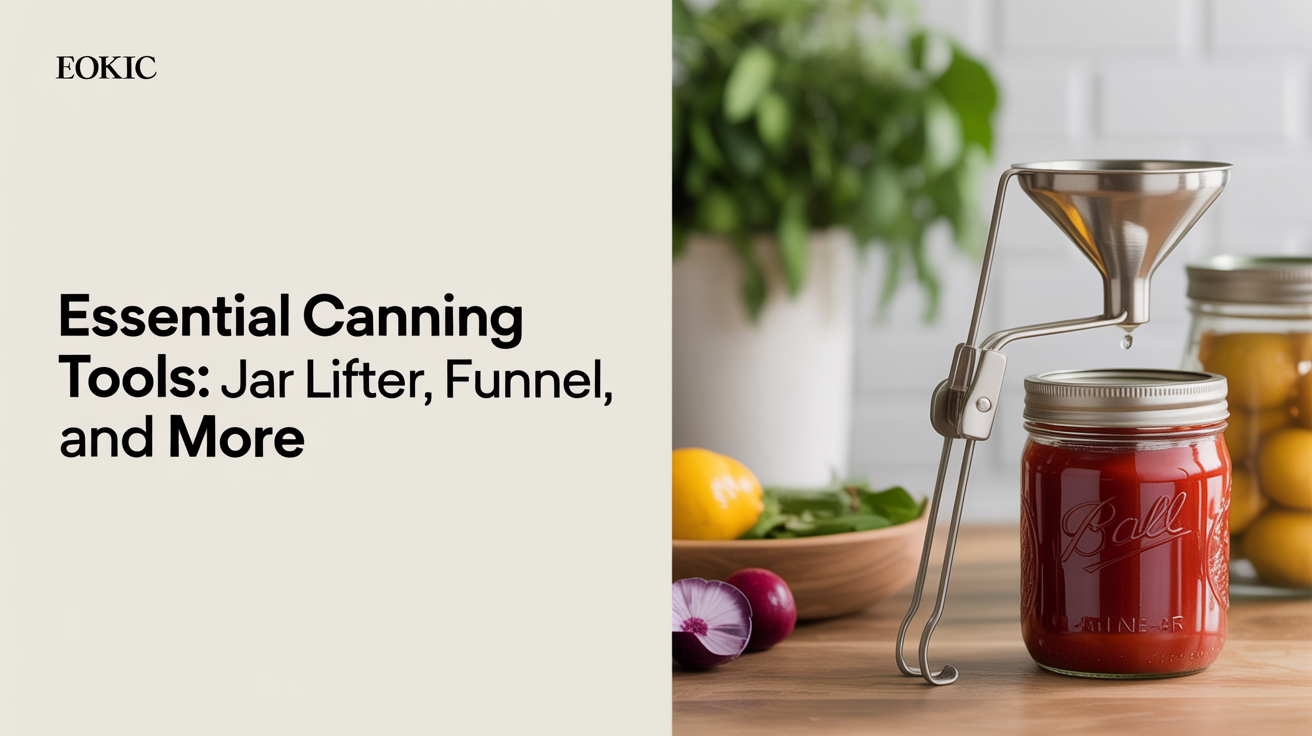
Essential Canning Tools: Jar Lifter, Funnel, and More
A practical guide to the essential canning tools every beginner needs, from jar lifters and funnels to headspace gauges and bubble removers.
June 23, 2026
Home Canning for Beginners: How to Get Started Safely
Learn how home canning works, which method matches your food, and what equipment you need to preserve safely without the overwhelm.
June 23, 2026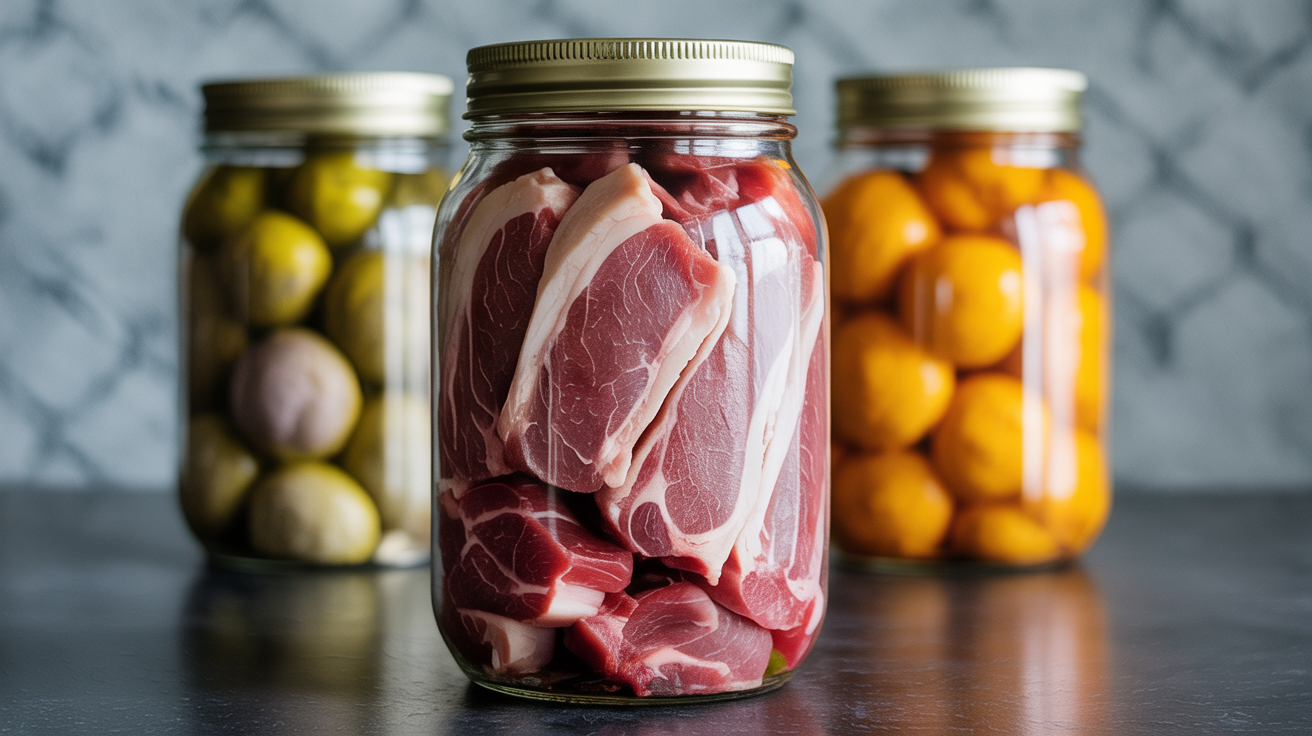
Can You Can Meat at Home? Pressure Canning Basics
Yes, you can safely can meat at home with a pressure canner. Learn how to pressure can chicken, beef, and other meats using tested USDA recipes.
June 22, 2026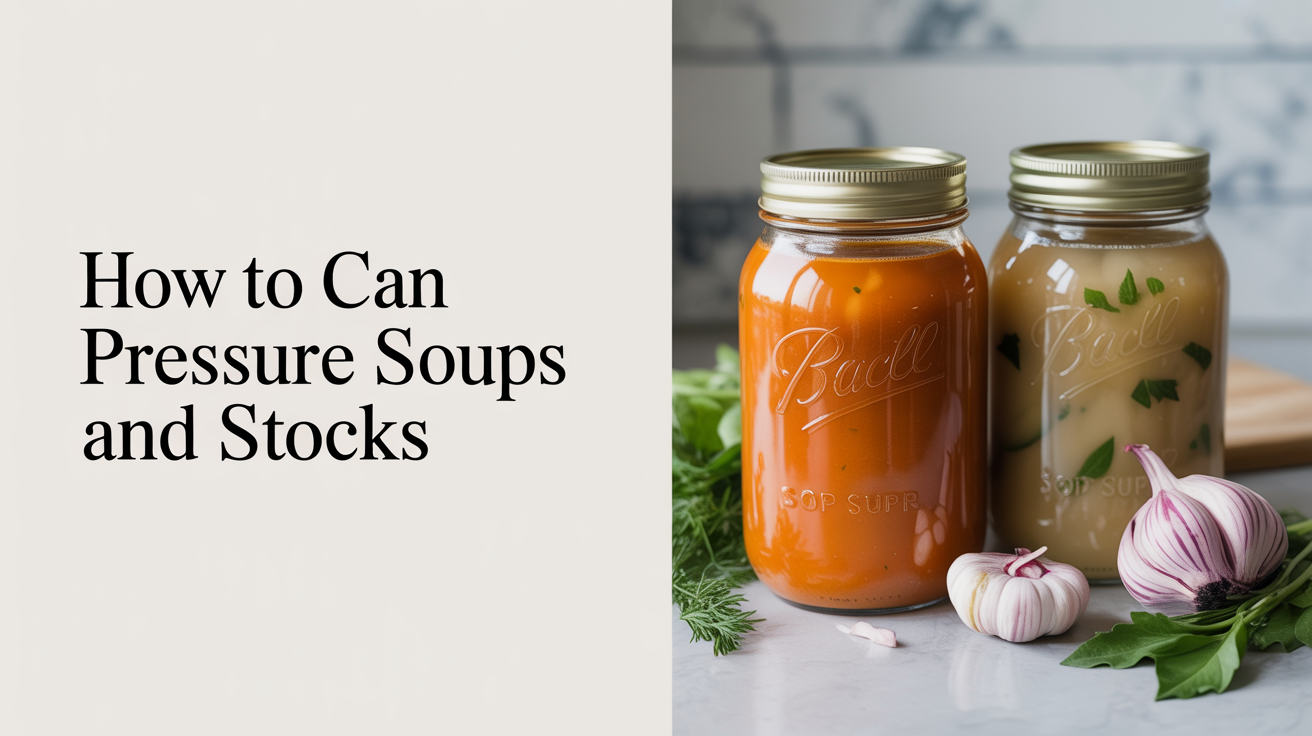
How to Pressure Can Soups and Stocks
Learn how to safely pressure can homemade soups, broths, and stocks using tested USDA guidelines, the only safe method for these low-acid foods.
June 21, 2026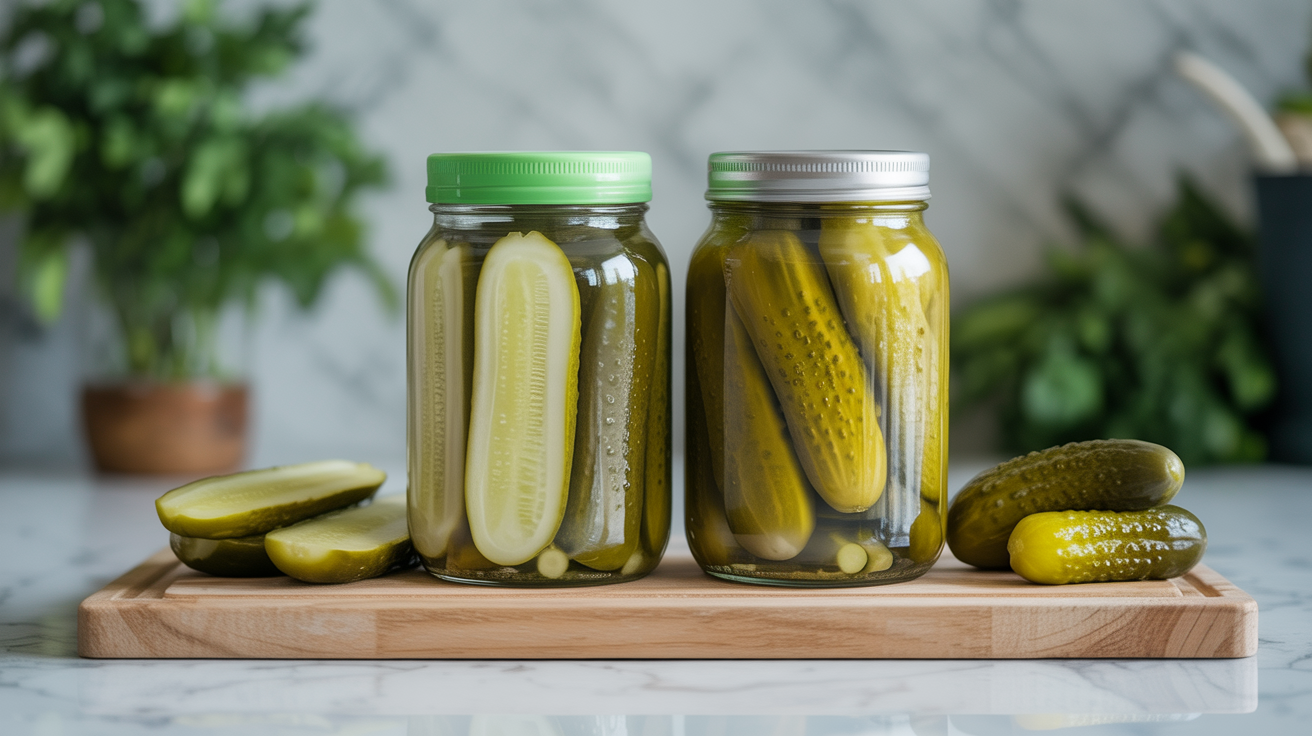
Refrigerator Pickles vs Canned Pickles
Refrigerator pickles are quick and crisp but need refrigeration. Canned pickles are shelf-stable but require a tested water-bath recipe.
June 21, 2026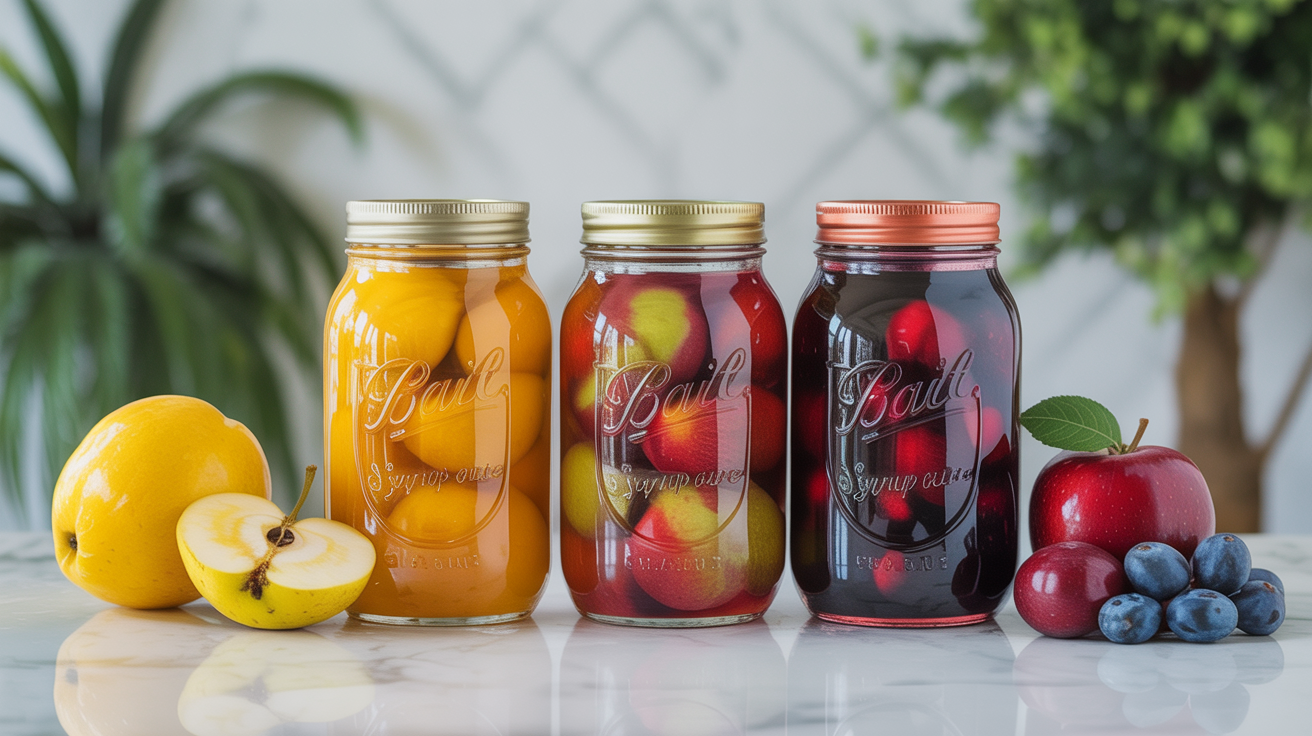
How to Can Fruit in Syrup or Juice
Learn how to can fruit safely at home using water-bath canning. Covers syrup types, hot pack vs. raw pack, and step-by-step instructions for beginners.
June 20, 2026
How Long Does Home-Canned Food Last?
Learn how long home-canned food stays safe and at peak quality, plus storage tips and signs that a jar should be discarded.
June 19, 2026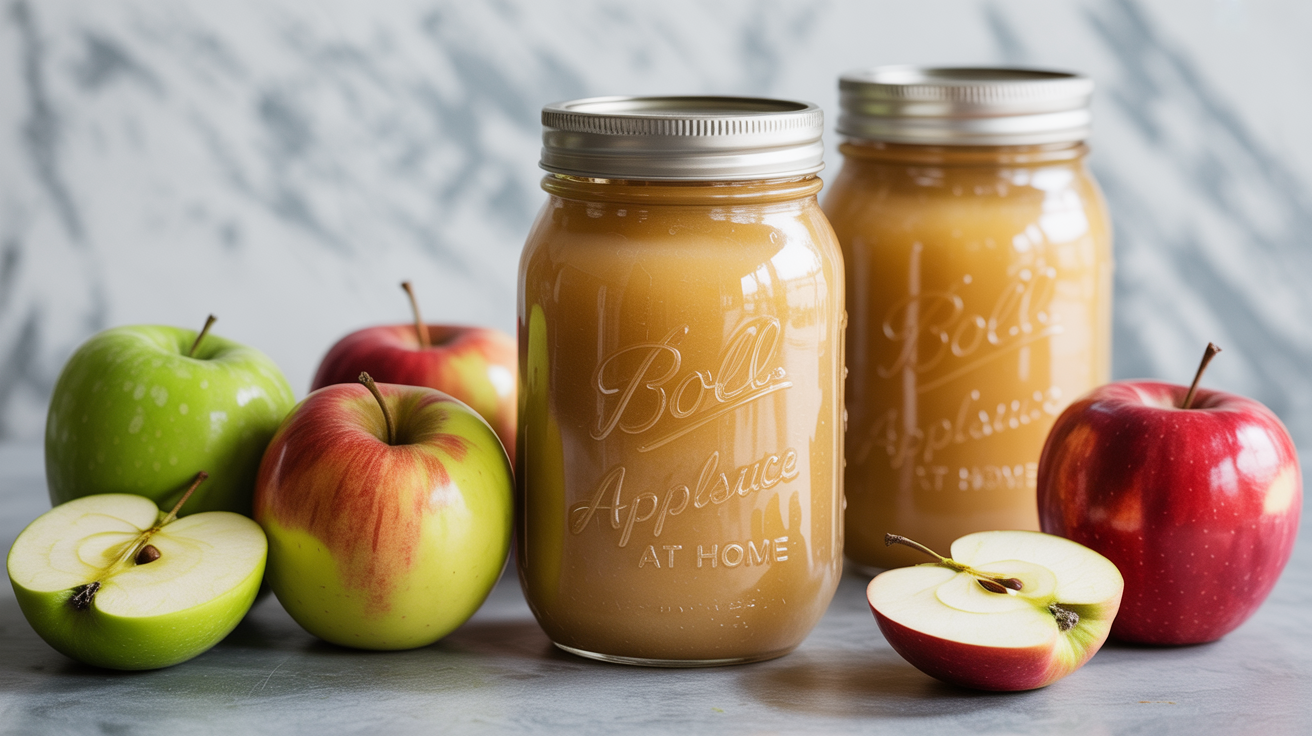
How to Can Applesauce at Home
Learn how to safely can smooth applesauce at home using a tested water-bath recipe. Covers apple selection, hot-pack method, headspace, and processing.
June 19, 2026
Common Canning Mistakes Beginners Make (and How to Avoid Them)
Learn the most common canning mistakes beginners make, from using the wrong method for low-acid foods to skipping headspace, and how to can safely.
June 18, 2026
Is Home Canning Safe? What Every Beginner Should Know
Home canning is safe when you follow tested methods. Learn the key rules every beginner needs to know to can food safely and avoid common mistakes.
June 17, 2026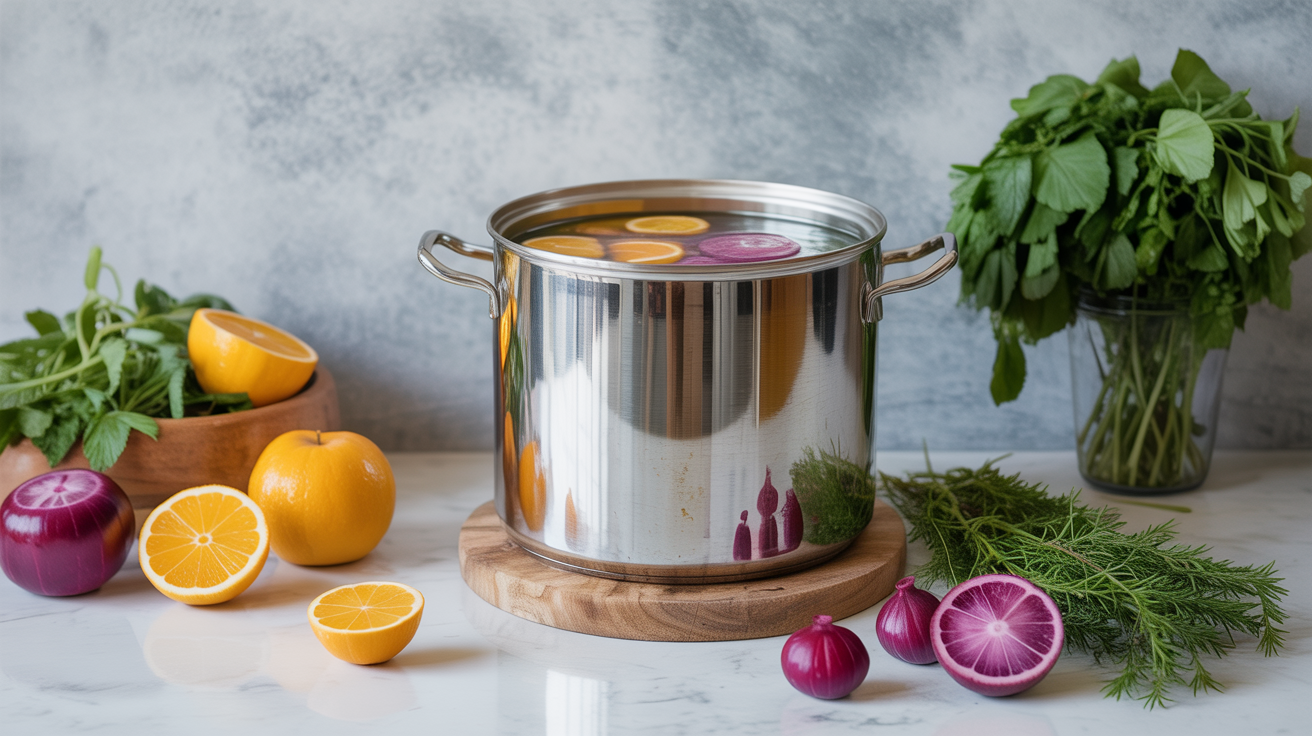
Water-Bath Canners and Stockpot Alternatives
Learn what a water-bath canner actually does, the two requirements any pot must meet, and how to improvise with gear you already own—safely.
June 17, 2026
Signs of Spoiled Canned Food (When to Throw It Out)
Learn the warning signs of spoiled home-canned food, from bulging lids to off odors, and how to dispose of suspect jars safely. When in doubt, throw it out.
June 16, 2026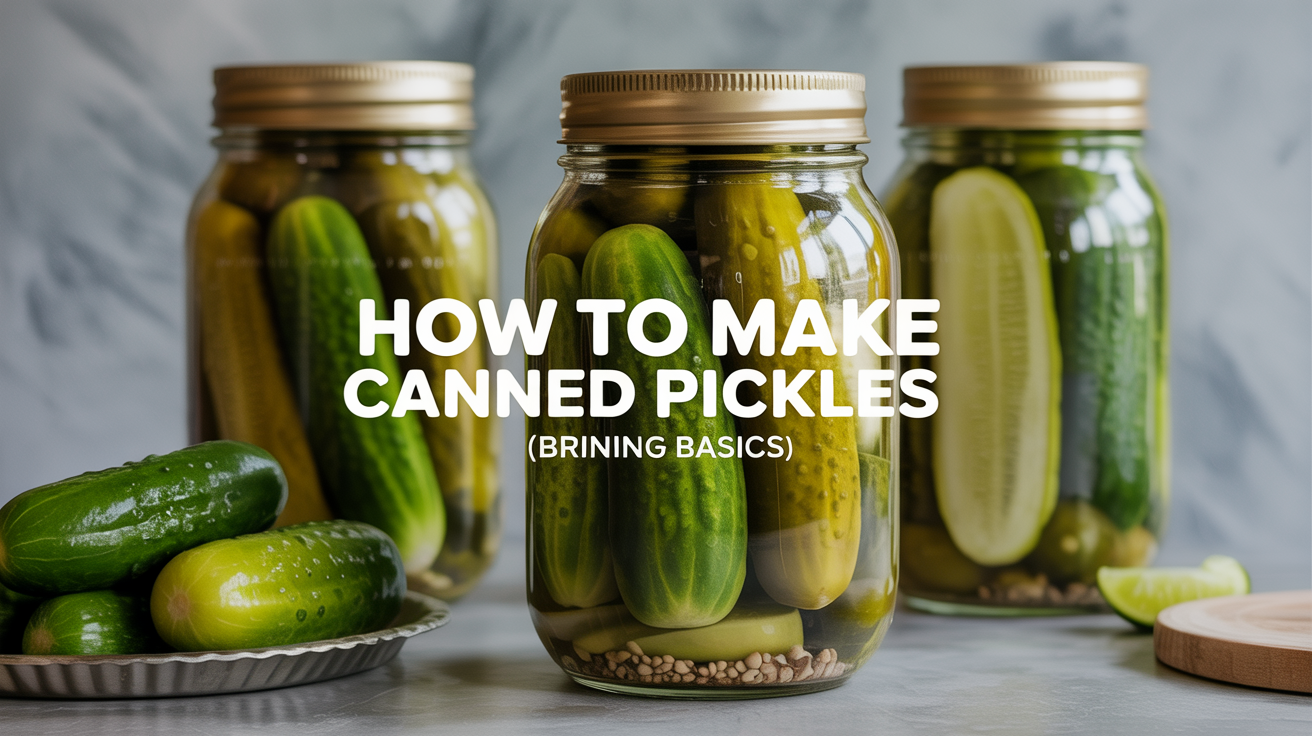
How to Make Canned Pickles (Brining Basics)
Learn how to can pickles at home with a safe vinegar brine. Covers brine ratios, the fresh-pack method, crisp pickle tips, and water-bath processing basics.
June 15, 2026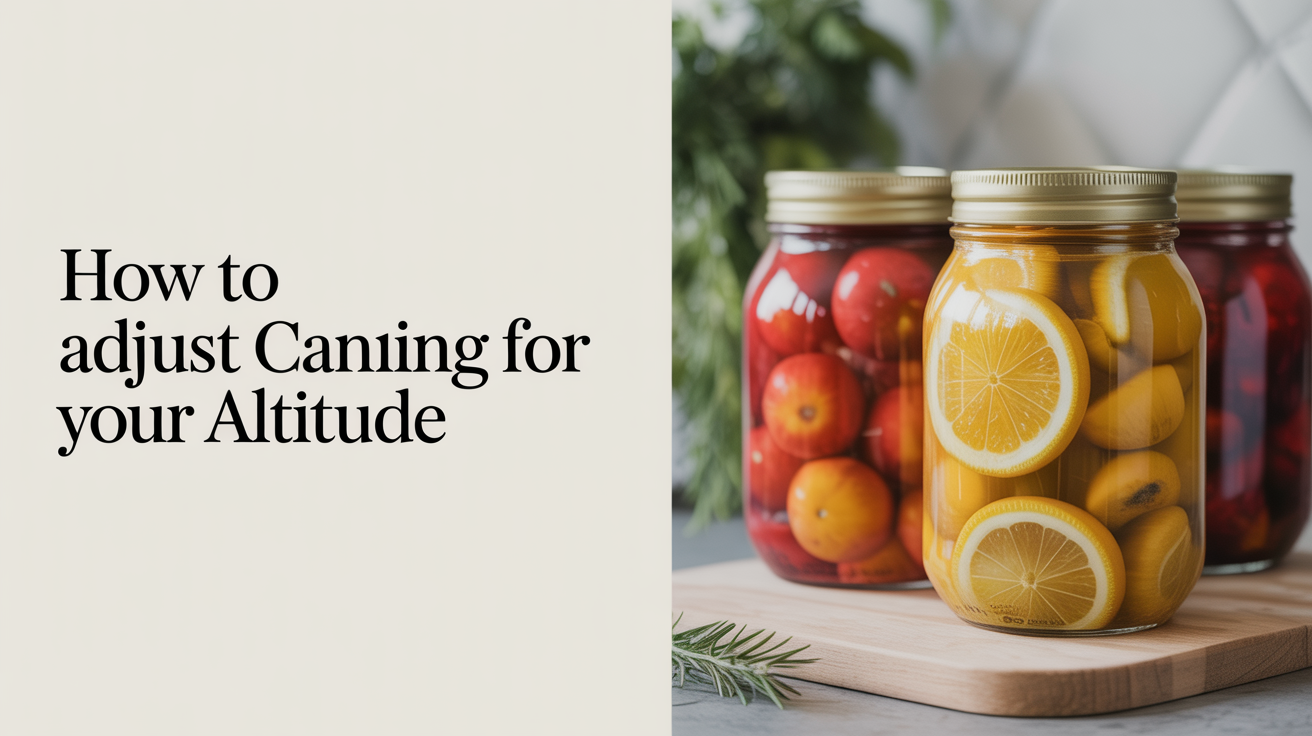
How to Adjust Canning for Your Altitude
Altitude affects canning safety. Learn why, how to find your elevation bracket, and whether to add processing time or increase PSI for your canning method.
June 14, 2026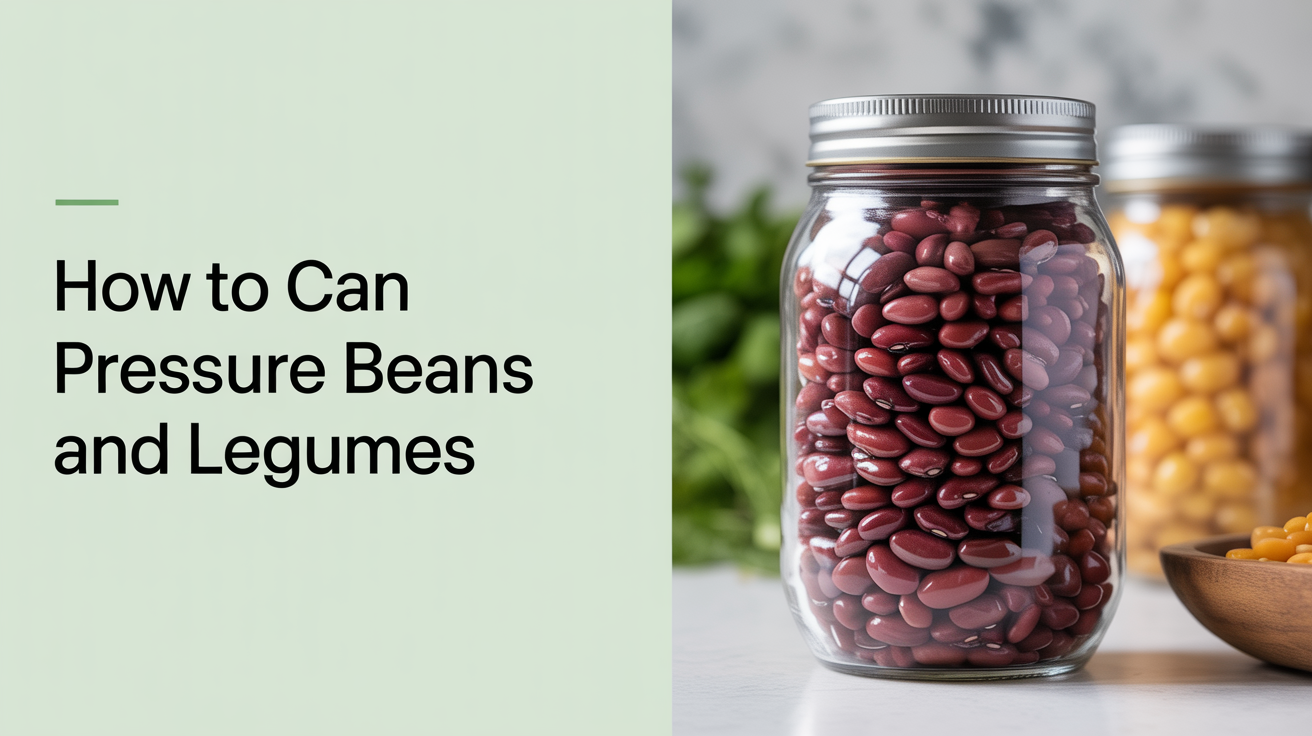
How to Pressure Can Beans and Legumes
Learn how to can dried beans at home safely. This beginner's guide covers soaking, pre-cooking, packing, and pressure canning beans the right way.
June 14, 2026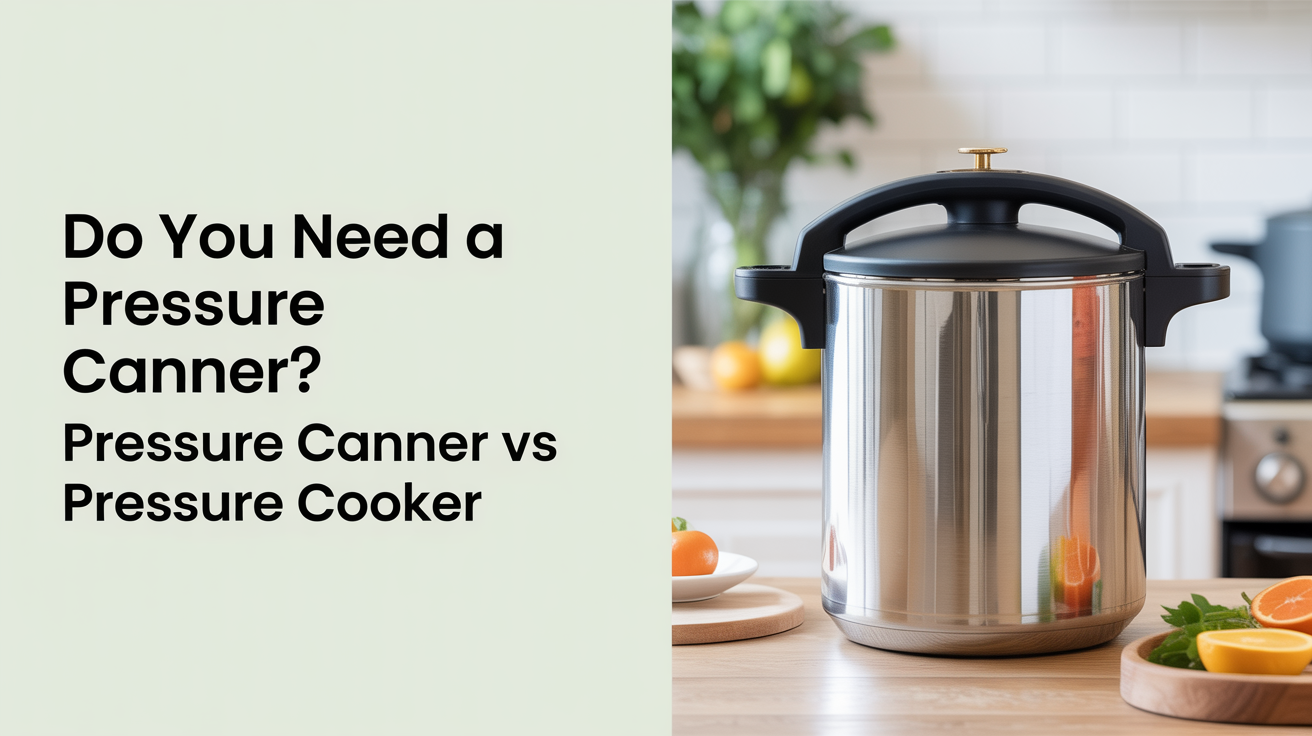
Do You Need a Pressure Canner? Pressure Canner vs Pressure Cooker
Find out if you need a pressure canner, how it differs from a pressure cooker, and when a water-bath canner is enough for safe home preserving.
June 13, 2026
How Does Canning Preserve Food? The Science of the Seal
Learn how canning preserves food through heat processing and vacuum seals, and why both steps matter for safe, shelf-stable jars.
June 12, 2026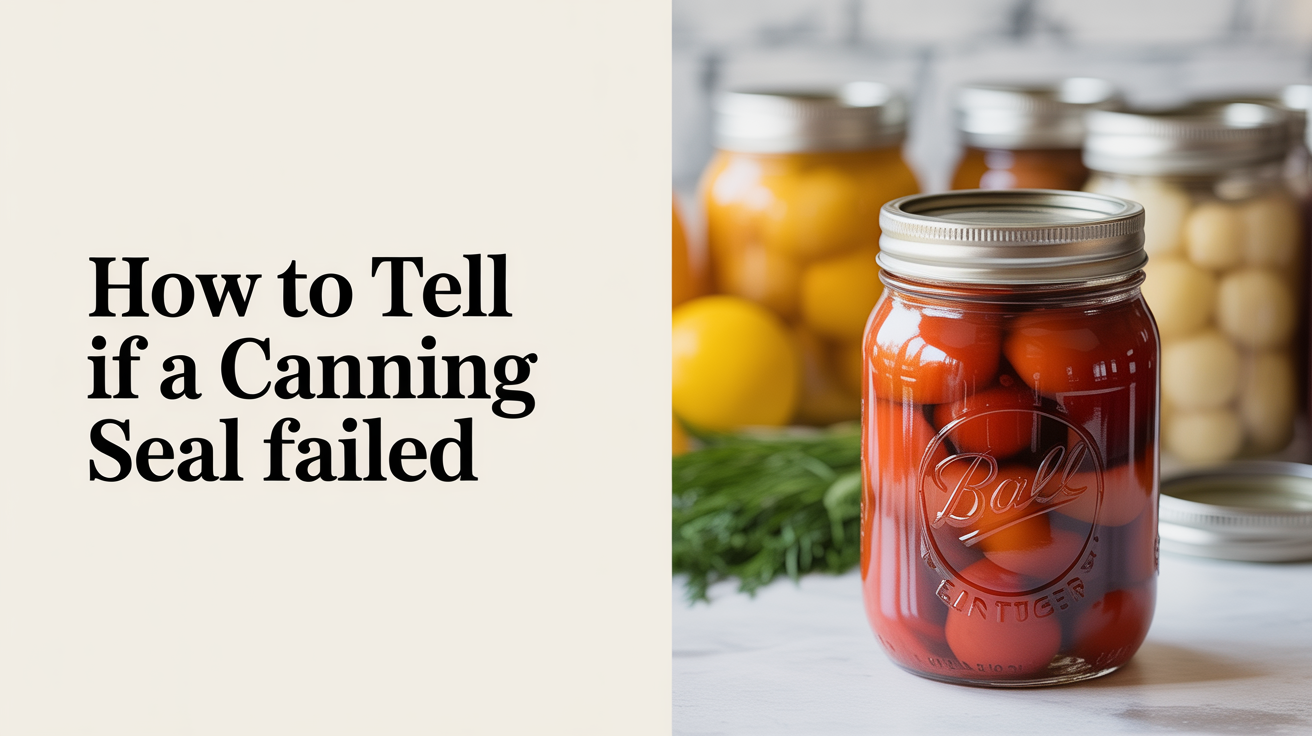
How to Tell If a Canning Seal Failed
Learn three simple checks to confirm a good canning seal, what to do with an unsealed jar, and why band removal matters for long-term safety.
June 12, 2026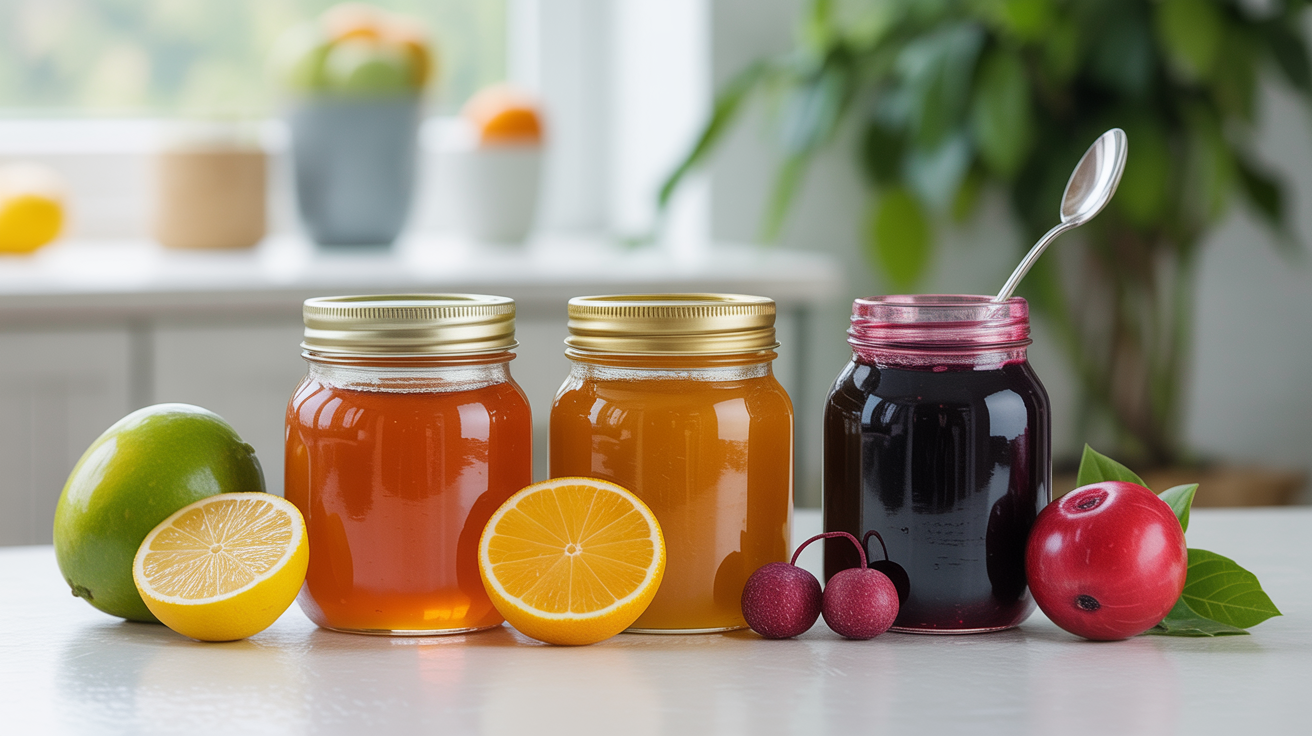
Jam vs Jelly vs Preserves: What's the Difference?
Learn the real differences between jam, jelly, and preserves — plus marmalade, conserves, and fruit butter — so you can choose and make the right spread.
June 11, 2026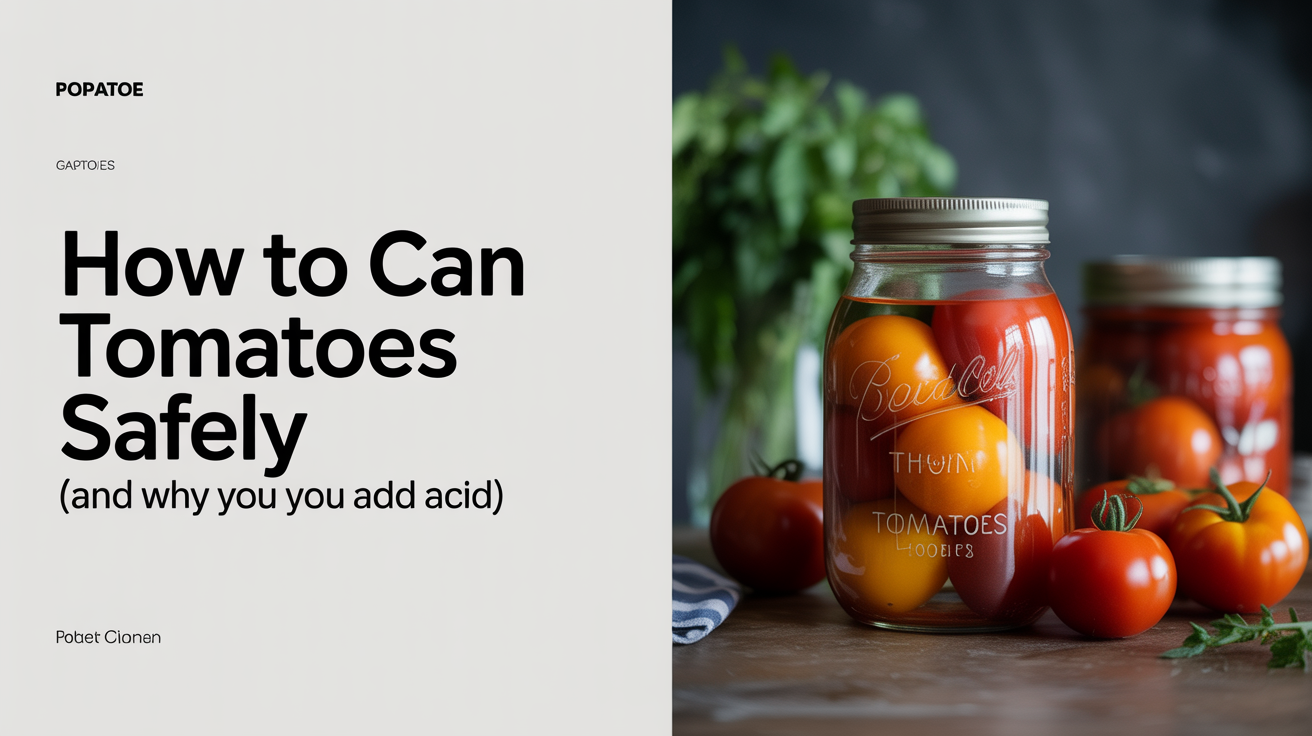
How to Can Tomatoes Safely (and Why You Add Acid)
Why home-canned tomatoes require added acid, how to add bottled lemon juice or citric acid correctly, and a step-by-step overview of the safe canning process.
June 10, 2026
How to Pressure Can Vegetables
Learn how to pressure can vegetables safely at home. Covers which vegetables to can, hot vs raw pack, the step-by-step process, and why tested recipes matter.
June 10, 2026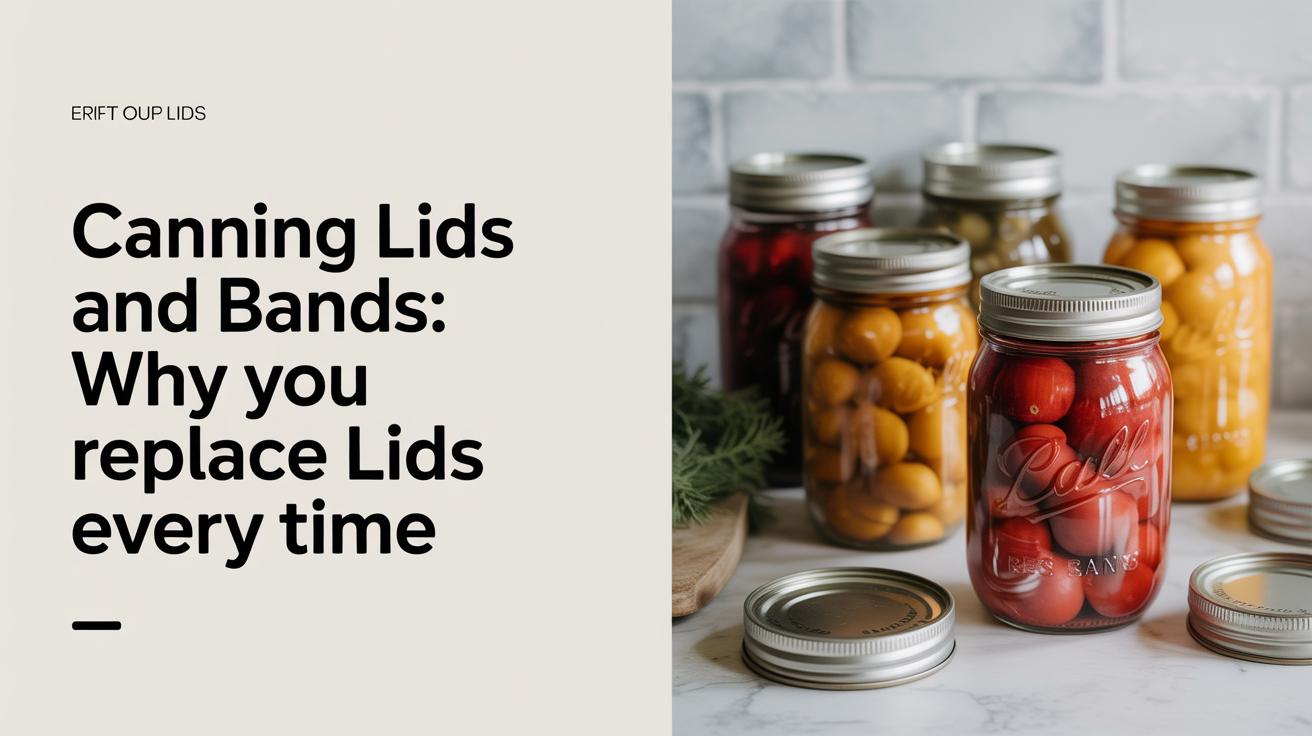
Canning Lids and Bands: Why You Replace Lids Every Time
Learn how the two-piece canning lid system works, why flat lids must be replaced each batch, and how bands seal, vent, and store safely.
June 9, 2026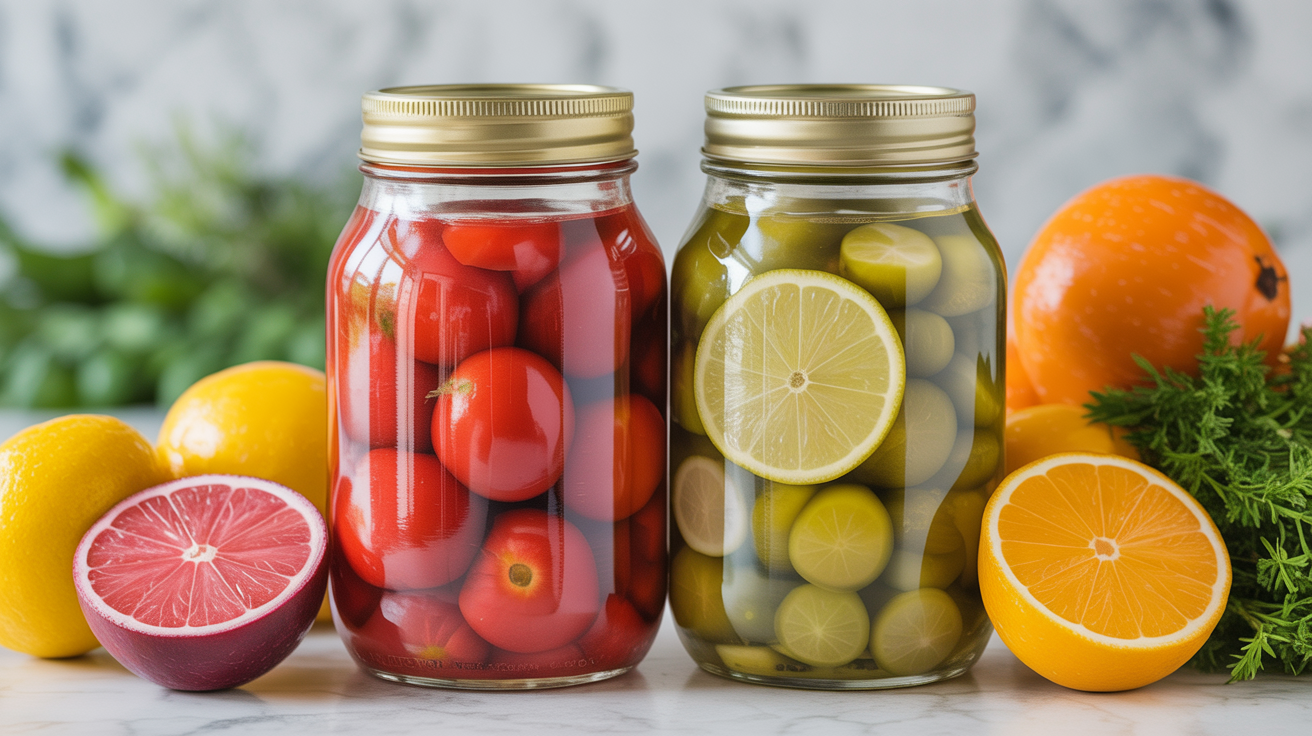
Why Acidity Matters in Canning (High-Acid vs Low-Acid Foods)
Learn why the pH 4.6 dividing line is the most important number in home canning, how to classify foods, and which method keeps your jars safe.
June 8, 2026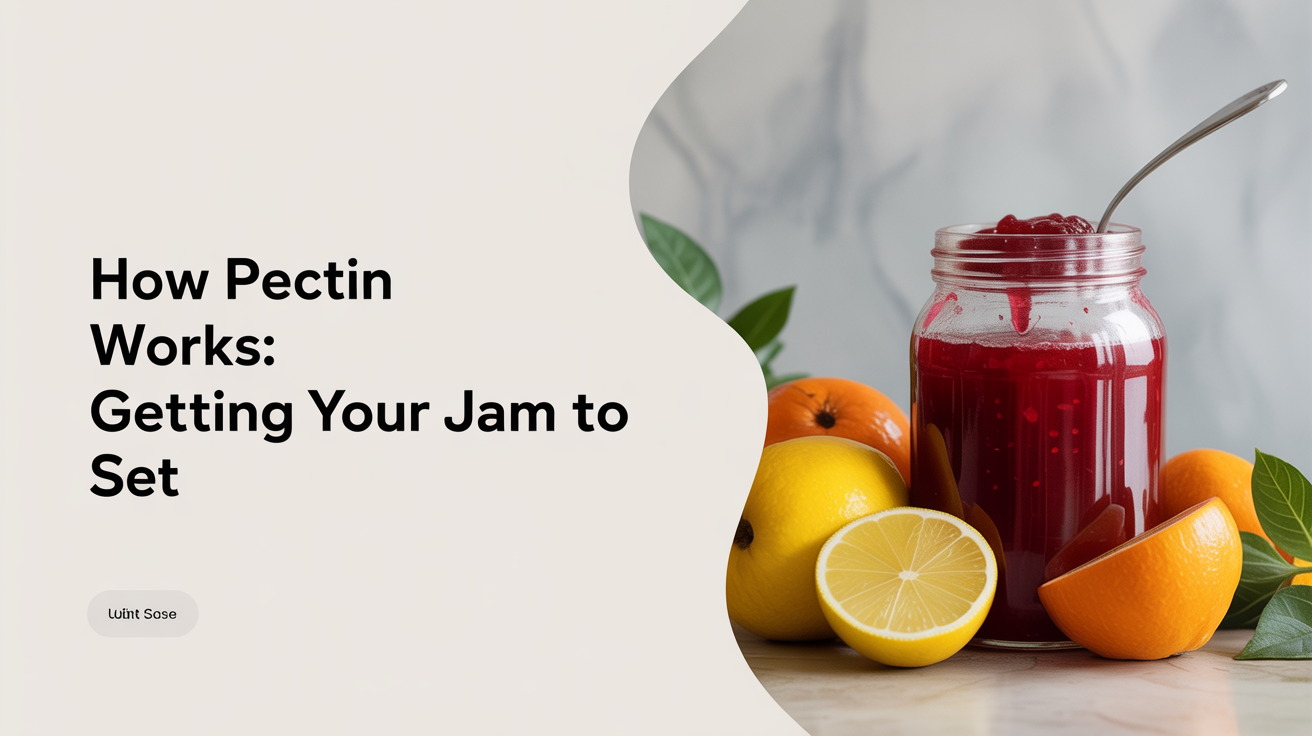
How Pectin Works: Getting Your Jam to Set
Learn how pectin, acid, and sugar work together to gel jam, which fruits need added pectin, and how to fix a batch that won't set.
June 7, 2026
What Is Headspace and Why Does It Matter?
Headspace is the gap between your food and the jar lid. Get it wrong and your seal fails. Here's what it is, why it matters, and how to measure it correctly.
June 7, 2026
Why You Can't Water-Bath Can Low-Acid Foods
Learn why low-acid foods like vegetables, beans, and meats must be pressure canned—and why boiling water alone can never make them safe to store on the shelf.
June 6, 2026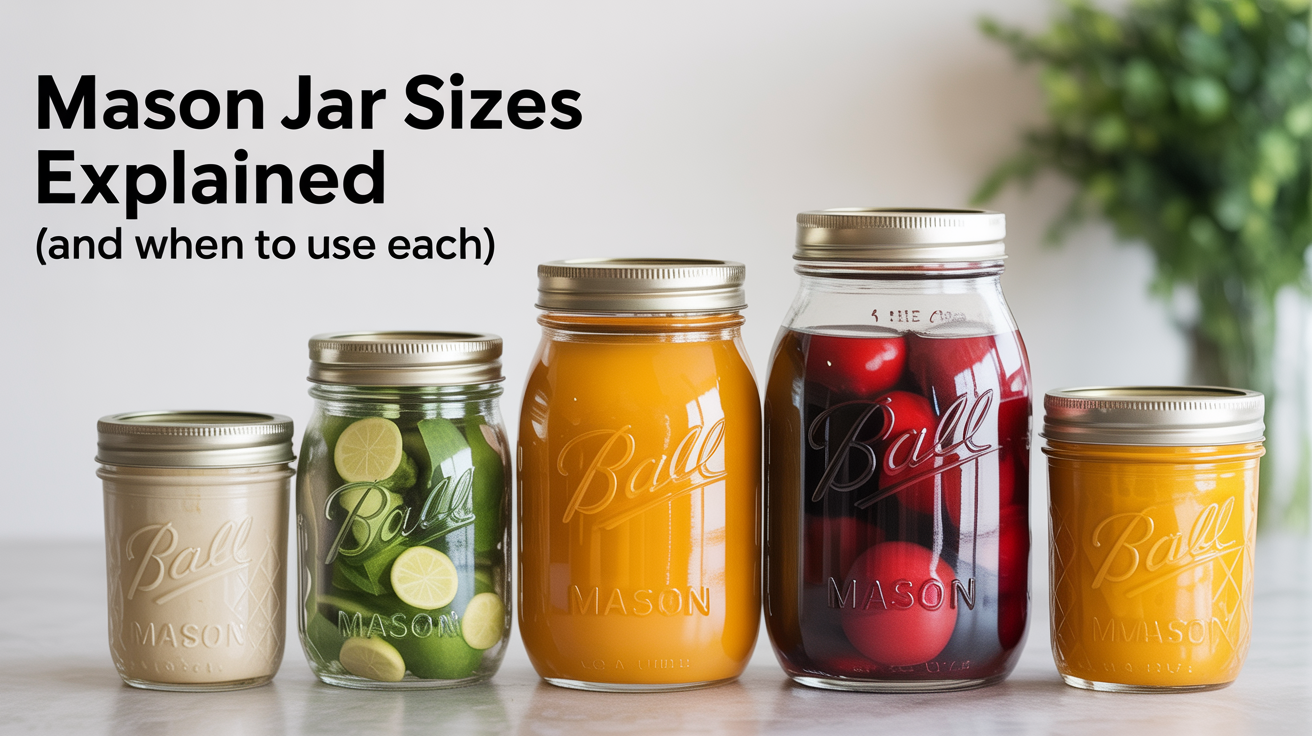
Mason Jar Sizes Explained (and When to Use Each)
Learn which mason jar size to use for canning jams, pickles, tomatoes, and more — plus why matching jar size to your tested recipe is a food-safety essential.
June 5, 2026
What Foods Can You Water-Bath Can?
Learn which foods are safe for water-bath canning, why acidity is the key factor, and which low-acid foods must always be pressure canned.
June 5, 2026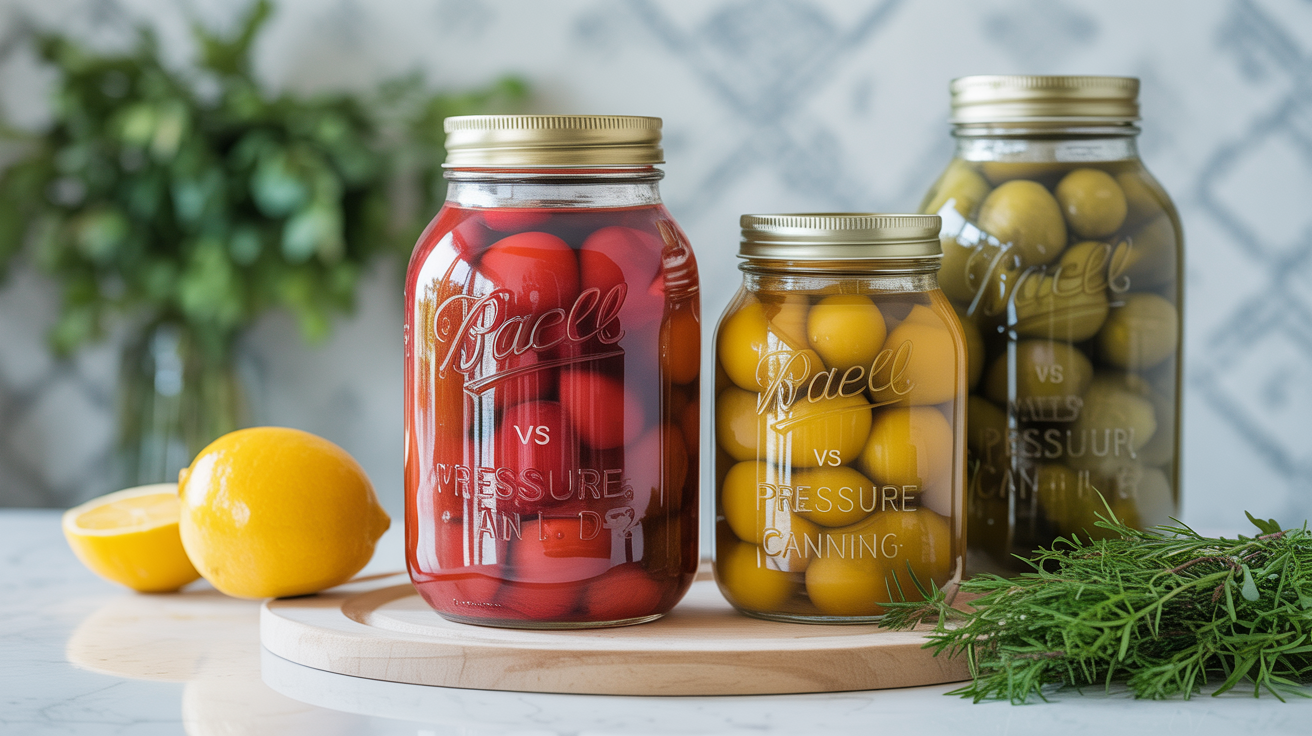
Water-Bath vs Pressure Canning: Which Method Do You Need?
Learn which canning method is right for your food. Water-bath for high-acid jams and pickles; pressure canning for low-acid vegetables, meats, and beans.
June 4, 2026