How to Can Peaches at Home Without Them Turning Brown or Mushy
Learn how to can peaches without browning or mushiness: the right fruit, an acid dip, hot-pack vs raw-pack, and safe processing times.
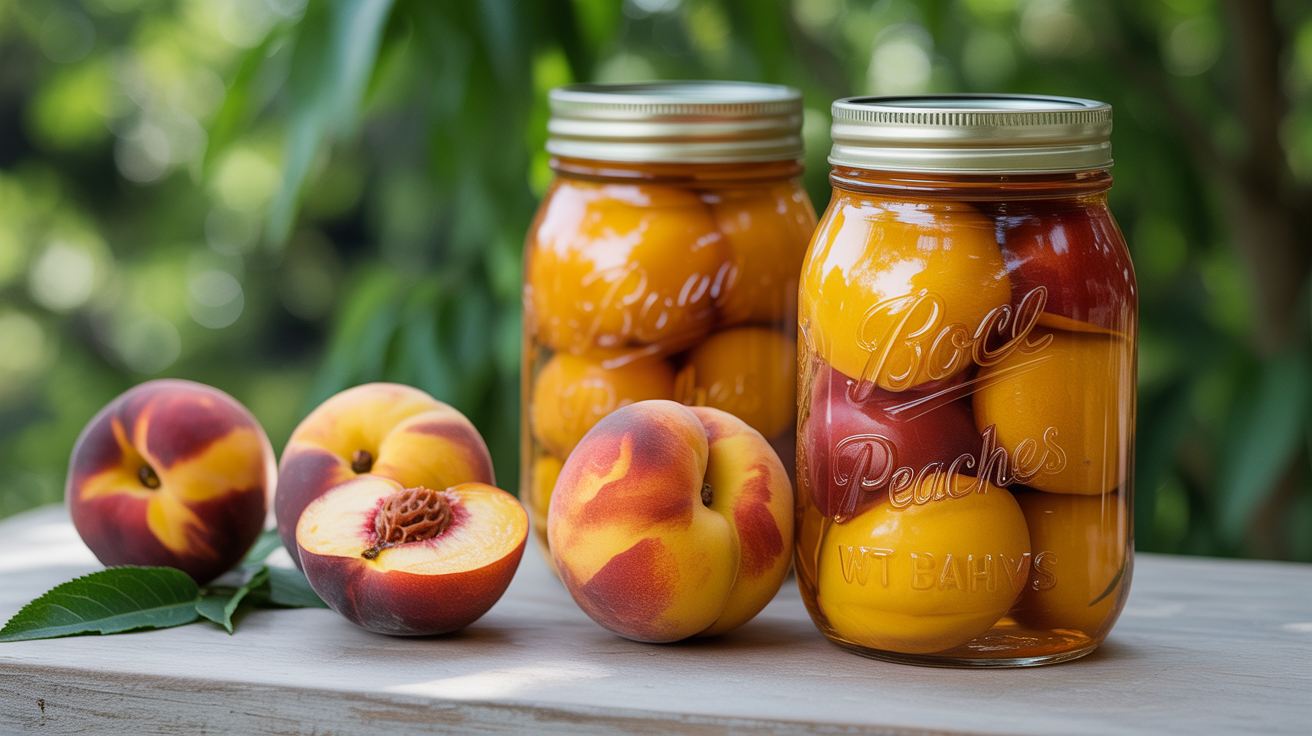
Peaches are one of the first fruits a lot of home canners try, and also the fruit that generates the most complaints. You open a jar in January and the top layer has gone brown and dull, or the peaches have collapsed into slush instead of holding their shape. Neither problem means you did something dangerous, and both are fixable once you understand why they happen. Learning how to can peaches well comes down to three things: picking fruit at the right stage, stopping browning before the jars hit the canner, and choosing the pack method that suits your fruit, plus the syrup question and the altitude adjustment that trips up first-timers.
Why Peaches Brown and Turn Mushy in the First Place
Browning on cut peaches is an enzymatic reaction, the same one that browns a cut apple or avocado. The moment you slice into a peach, enzymes in the flesh meet oxygen and start producing compounds that darken the surface. It happens fast, sometimes within minutes, and keeps happening while peaches sit on the cutting board waiting for jars. Heat from processing eventually stops the enzyme, but by then the damage is visible.
Mushiness is a different problem, mostly a fruit-selection and overcooking issue. Very ripe or soft peaches have already started breaking down their own cell structure before you touch them, so once they hit boiling water for processing, what little structure is left gives out. Overripe fruit, too long a hot-pack simmer, or a rolling boil instead of a gentle one can all push soft peaches into mush.
Once you see the two problems as separate, one chemistry, one texture and timing, it's much easier to fix both at once.
Picking the Right Peaches for Canning
Start with fruit that's ripe but still firm, the kind you'd eat out of hand in the next day or two, not fruit already soft enough for a smoothie. A peach that gives slightly to gentle thumb pressure near the stem end is usually about right. Skip anything with soft spots, bruising, or a wine-y smell; those spots are already fermenting internally even if the rest of the peach looks fine.
| Peach condition | What happens in the jar |
|---|---|
| Firm, barely ripe | Holds shape but can taste bland; give it a day or two more |
| Ripe but firm (ideal) | Holds shape through processing, full flavor |
| Very ripe, soft | Breaks down, turns mushy, may float in pieces |
| Overripe, wrinkled skin | Falls apart during peeling; better used for jam |
Freestone varieties, where the pit separates cleanly from the flesh, are much easier to work with than clingstone peaches, where you fight the pit out in pieces. If your market labels the variety, freestone saves frustration at the cutting board.
How to Can Peaches: Peeling Without a Fight
The standard method is a quick blanch: lower whole peaches into boiling water for well under a minute, just long enough to loosen the skins, then move them into ice water to stop the cooking. Skins should then slip off with your fingers or a light scrape of a paring knife, no peeling like an apple required. If skins are stubborn, the peaches needed a few more seconds in the boiling water, or weren't quite ripe enough.
Work in small batches. Blanching, cooling, peeling, pitting, and slicing a whole basket at once means the first fruit you peel sits around browning while you finish the rest. Peel and slice only as many peaches as you can pack into jars within the next several minutes.
Stopping the Browning: The Acid Dip
This is the step most brown-peach complaints trace back to skipping. As soon as peaches are peeled, pitted, and sliced, drop them straight into an acidic holding solution instead of leaving them on a cutting board or in plain water.
Ascorbic acid (plain vitamin C powder, or a commercial fruit-fresh product that's mostly ascorbic acid) dissolved in cold water is the most reliable option and doesn't add much flavor. Citric acid works too, and a generous squeeze of lemon juice is the low-tech version, though less consistent since lemons vary. Whichever you use, keep the slices fully submerged until you're ready to pack that batch into jars.
Don't skip this even if you plan to process quickly. A few minutes of exposed flesh is enough for browning to start, and once it starts, the color doesn't reverse in the canner.
Hot-Pack or Raw-Pack: Which Keeps Peaches Firmer
Peaches can be canned either way, and the choice affects texture and how many peaches fit in a jar. If you're not sure which method suits your fruit, hot-pack vs raw-pack: what's the difference covers the general tradeoffs; here's how it plays out with peaches specifically.
Raw-pack means placing raw, drained slices directly into jars, then pouring hot syrup or juice over them. It's faster and keeps fruit firmer going in, but raw peaches hold a lot of air, so they tend to float and jars often need topping up as the fruit shrinks and settles.
Hot-pack means simmering the slices briefly in syrup or juice before packing them, hot, into jars. This shrinks the fruit slightly beforehand, so you can usually fit more per jar with less floating and a better fill. The tradeoff is that peaches already on the soft side can turn mushy faster with the extra simmer time, so hot-pack rewards starting with firmer fruit.
Neither method is unsafe; the choice comes down to the texture and fill you want, and how firm your fruit is to begin with.
Syrup, Juice, or Water: What to Pack Them In
Peaches can go into light, medium, or heavy sugar syrup, into unsweetened fruit juice like white grape or apple, or into plain water, with syrup being the traditional choice for flavor and color. A light syrup is usually plenty for fruit that's already sweet and ripe. For a fuller rundown on syrup ratios and how juice-packing compares, see how to can fruit in syrup or juice.
Whatever liquid you choose, use it hot when you ladle it over the fruit, and leave the headspace called for in your tested recipe (typically around a half inch for peaches, but check your specific recipe). Too little headspace can interfere with sealing; too much leaves fruit at the top exposed to air and prone to darkening even after the jar is sealed.
Processing Time and Altitude
Peaches are a high-acid fruit, so water-bath canning is the correct and safe method, no pressure canner required. The exact processing time depends on jar size, whether you raw-packed or hot-packed, and elevation, so follow a current tested recipe from the USDA Complete Guide to Home Canning or the National Center for Home Food Preservation (NCHFP) rather than an old family recipe card, since older sources sometimes used shorter times than what's currently recommended.
A recipe's printed processing time assumes sea level, and that catches beginners off guard. At any real elevation, that time needs to be extended, not because the recipe is wrong, but because water boils at a lower temperature as altitude increases, so the same boiling time delivers less heat to the jar. If you're not sure how much to add for your area, how to adjust canning for your altitude walks through the standard tables.
Common Mistakes That Ruin a Batch of Canned Peaches
A few habits account for most disappointing jars: letting peeled fruit sit out before packing (the biggest cause of brown jars), starting with fruit that's already soft rather than ripe-but-firm (the biggest cause of mush), and boiling the water bath too hard instead of keeping a steady gentle boil, which can break down fruit that would otherwise hold together. Using a shortened or outdated processing time, or skipping the altitude adjustment, risks more than texture, since that time exists to destroy microorganisms and inactivate enzymes reliably.
If your peaches came out softer than you'd like this year, it's rarely a lost cause. They'll still be safe to eat and fine for cobblers, smoothies, or eating straight from the jar, even if they're not the picture-perfect slices you hoped for.
Frequently Asked Questions
Do I have to use an acid dip, or will plain cold water work to hold peeled peaches?
Plain water slows browning a little compared to leaving fruit out in the air, but it's not nearly as effective as an acidic solution. If you want peaches that still look appealing months later, use ascorbic acid, citric acid, or a strong lemon juice solution instead.
Can I can peaches without added sugar?
Yes. Peaches can be packed in plain water or unsweetened juice instead of syrup. Sugar affects flavor, color retention, and firmness slightly, but it isn't required for the food to be safely preserved through proper water-bath processing.
Why did my canned peaches float to the top of the jar?
Floating usually comes from air trapped in the fruit, more common with raw-packed peaches, or from fruit that was slightly underripe and dense with air pockets. It's a cosmetic issue, not a safety one; the peaches are still fine to eat.
My peaches turned pink or darkened even after I did an acid dip. What happened?
Some varieties naturally develop pink or reddish tones near the pit from a pigment reaction with heat, and that isn't browning. If the flesh itself went dull brown, the acid dip may have been too diluted, the peaches sat too long before dipping, or a slice wasn't fully submerged.
Is canning peaches similar to canning applesauce?
Not really. Applesauce is canned as a puree, with different headspace and processing than sliced peaches in syrup. See how to can applesauce at home for that process, but always use a recipe written for the specific fruit and form you're preparing.