What It Really Costs to Start Home Canning as a Complete Beginner
A clear-eyed look at the cost of home canning: what a basic water-bath setup needs, when a pressure canner earns its keep, and where secondhand gear saves th...
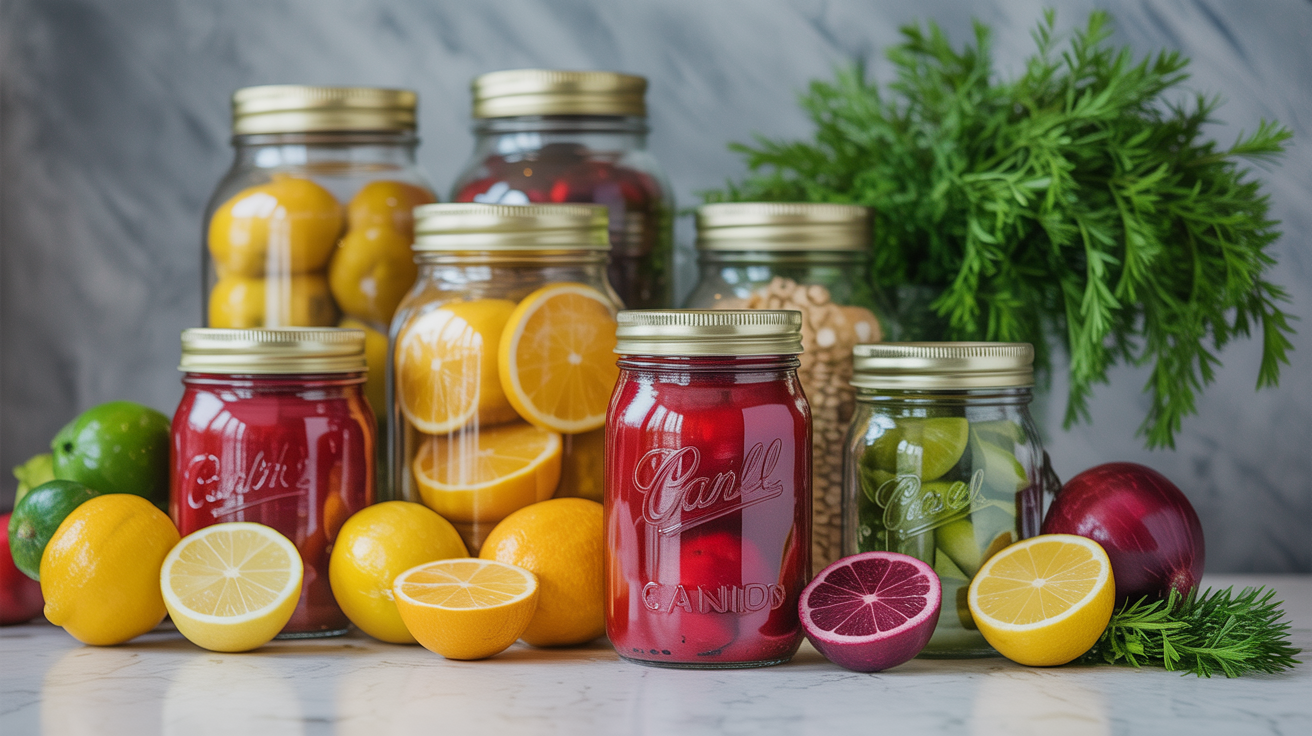
Every new canner asks some version of the same question before buying anything: what does this actually cost to get into? The honest answer is that the cost of home canning depends heavily on what you already own and how far you plan to go, but the shape of the spending is predictable. A basic water-bath setup is genuinely cheap to start. Adding a pressure canner for low-acid foods is where the number jumps. And once you're set up, the ongoing cost is much smaller than most people expect, because the bulk of what you buy gets used again every single season.
Let's walk through it piece by piece, starting with the minimum you need to can a batch of jam.
The Bare-Minimum Water-Bath Setup
Water-bath canning is the entry point for almost everyone, and for good reason: it's the method for high-acid foods like jams, fruit, pickles, and most tomato products, and it needs the least specialized gear. If you already own a large stockpot deep enough to fully submerge jars under a couple of inches of boiling water, you may not need to buy a dedicated canner at all. Plenty of longtime canners never owned one; they just added a round rack or a folded towel to the bottom of an existing pot to keep jars from sitting directly on the metal and cracking.
Beyond the pot, the short list is: a jar lifter (tongs shaped to grip a hot jar without tipping it), a wide-mouth funnel to keep syrup and brine off the jar rims, a magnetic lid wand to fish lids out of hot water, and a bubble remover, which is really just a thin plastic tool for popping air pockets before you seal. None of these are expensive individually, and several ship together in a starter kit that costs less than a single restaurant meal for two. You can read a full rundown of what each tool does in canning equipment for beginners: what you actually need, and a deeper dive on the small hand tools specifically in essential canning tools: jar lifter, funnel, and more.
Then there are the jars themselves, plus new lids. Jars are the one piece of equipment that behaves like a durable good rather than a consumable: a mason jar that doesn't chip or crack can be reused for years, season after season, as long as the rim stays smooth. That reusability is the single biggest reason the cost of home canning drops fast after the first year. For a first batch, you're mostly paying for jars, lids, and maybe a starter kit of tools, not for anything that wears out quickly.
Adding a Pressure Canner for Low-Acid Foods
Water-bath canning cannot safely process low-acid foods on its own. Plain vegetables, most beans, and any meat need a pressure canner, which reaches temperatures a boiling-water bath physically cannot hit. That heat is what destroys the bacterial spores responsible for botulism in low-acid, low-oxygen environments like a sealed jar. This isn't a step you skip to save money; it's the line between a hobby and a health risk, and it's worth understanding clearly before you buy anything. We cover the distinction in detail, including why a stovetop pressure cooker is not a substitute, in do you need a pressure canner? Pressure canner vs. pressure cooker.
A pressure canner is a meaningfully bigger purchase than the water-bath setup above, and it's the item that pushes total startup cost up the most. But it's also a one-time buy in the same way a stockpot is: a well-maintained pressure canner with a good gasket and an accurate gauge (or a weighted gauge that needs no calibration) will last for decades of seasonal use. If you're not planning to can vegetables, dried beans, or meat this year, there's no reason to buy one up front. Start with water-bath canning, get comfortable with the process, and add a pressure canner later if your goals expand into low-acid foods.
Jars, Lids, and What Actually Wears Out
It's worth being specific about which parts of a canning setup are one-time costs and which repeat every season, because this is where a lot of new canners overestimate what canning costs long-term.
- Buy once, use for years: the canner or stockpot, the rack, the jar lifter, the funnel, the lid wand, the bubble remover, and the jars themselves (as long as the glass and rims stay in good condition).
- Buy again each batch: the flat metal lids that create the actual seal. These are single-use by design; a lid that's already been used once won't reliably reseal, so a fresh batch means fresh lids.
- Buy again occasionally: screw bands, which can be reused many times but eventually rust or warp and get replaced.
That lid cost is real, but it's small relative to the produce and jars going into each batch, and it's the only recurring canning-specific expense once your equipment drawer is stocked. If you're trying to figure out which jar sizes to keep on hand so you're not buying odd quantities every trip, mason jar sizes explained (and when to use each) walks through which sizes cover most jam, pickle, and sauce recipes.
Secondhand and Borrowed Equipment: Where the Real Savings Are
If the goal is the cheapest way to start canning, the biggest lever isn't cutting corners on tools, it's sourcing them secondhand. Canning equipment tends to outlive the households that buy it. Estate sales, thrift stores, and hand-me-downs from relatives who canned decades ago are full of stockpots, jar lifters, and even pressure canners that work exactly as well as anything new, provided you check a few things first.
For jars, inspect the rims closely for chips or cracks, since a damaged rim won't seal reliably no matter how careful you are with the rest of the process. For a used pressure canner, check that the gauge still reads accurately (many extension offices test gauges for free or a small fee) and that the gasket is soft and pliable rather than cracked or stiff. A gasket alone is a cheap replacement part if the rest of the canner is sound, so don't rule out an older unit just because the seal needs refreshing.
Borrowing is another underused option, especially for a pressure canner you're only trying for the first time. A neighbor, a local gardening group, or a tool library may have one sitting unused most of the year. There's no reason to buy the most expensive piece of equipment before you know whether pressure canning is something you'll keep doing.
Does Canning Actually Save You Money?
This is the question under the question, and the honest answer is: it depends on how you shop and how many batches you run, not on a single number that applies to everyone. Canning tends to pay off when a few conditions line up. Buying produce in season, when a farmers market or a garden glut drops the price of tomatoes or berries well below what you'd pay in winter, is where the math works best. Buying in bulk, rather than a few pieces of fruit at a time, spreads the fixed cost of jars and lids across more finished jars. And reusing jars year after year means that after the first season or two, your main ongoing cost is produce and lids, which is roughly what you'd spend on the raw ingredients for cooking anyway.
Compare that to store-bought or farmers-market jarred goods, where you're also paying for someone else's labor, packaging, and margin. A jar of homemade jam from fruit you picked or bought cheap in season generally costs less than an equivalent jar off a shelf, once your equipment is already paid for. Where canning stops being a bargain is if you buy out-of-season produce at full retail price for a single small batch, or if you buy a full pressure-canning setup for one jar of green beans and never use it again. Canning rewards repetition. The first batch is the expensive one; the tenth batch, using the same jars and the same canner, is close to just the cost of the produce and a lid.
Frequently Asked Questions
Do I need to buy a pressure canner to start canning?
No. If you're starting with jams, fruit, pickles, or high-acid tomato products, a water-bath setup is all you need. A pressure canner only becomes necessary once you want to safely can low-acid foods like plain vegetables, beans, or meat.
Can I use a regular stockpot instead of a dedicated water-bath canner?
Yes, as long as it's deep enough to cover your jars with a couple of inches of boiling water and you add something to keep jars off the direct heat of the pot's bottom, like a round cooling rack.
What's the one thing I shouldn't buy secondhand?
Lids. The flat metal lids that seal jars are meant for one use, so buying used ones defeats the point. Everything else, including jars, canners, and hand tools, can be bought used with a quick inspection.
How much does canning equipment cost if I already own a big pot?
Considerably less than starting from zero. Your main purchases become jars, lids, and a handful of inexpensive hand tools like a jar lifter and funnel, since the pot itself is the most expensive single item in a basic setup.
Is home canning startup cost worth it for just one or two batches a year?
It can still make sense, especially if you get equipment secondhand or borrow a pressure canner, but the value grows with repetition. Canners who run several batches a season across multiple years get far more use out of the same jars and tools than someone canning once and stopping.